Design and construction of
industrial sulfuric acid plants!
From DCDA technology and corrosion engineering to EPC management and start-up
Sulfuric acid is the king of chemicals; modern plants are designed on DCDA with a conversion efficiency above 99.7% to keep SO₂ emissions to a minimum.
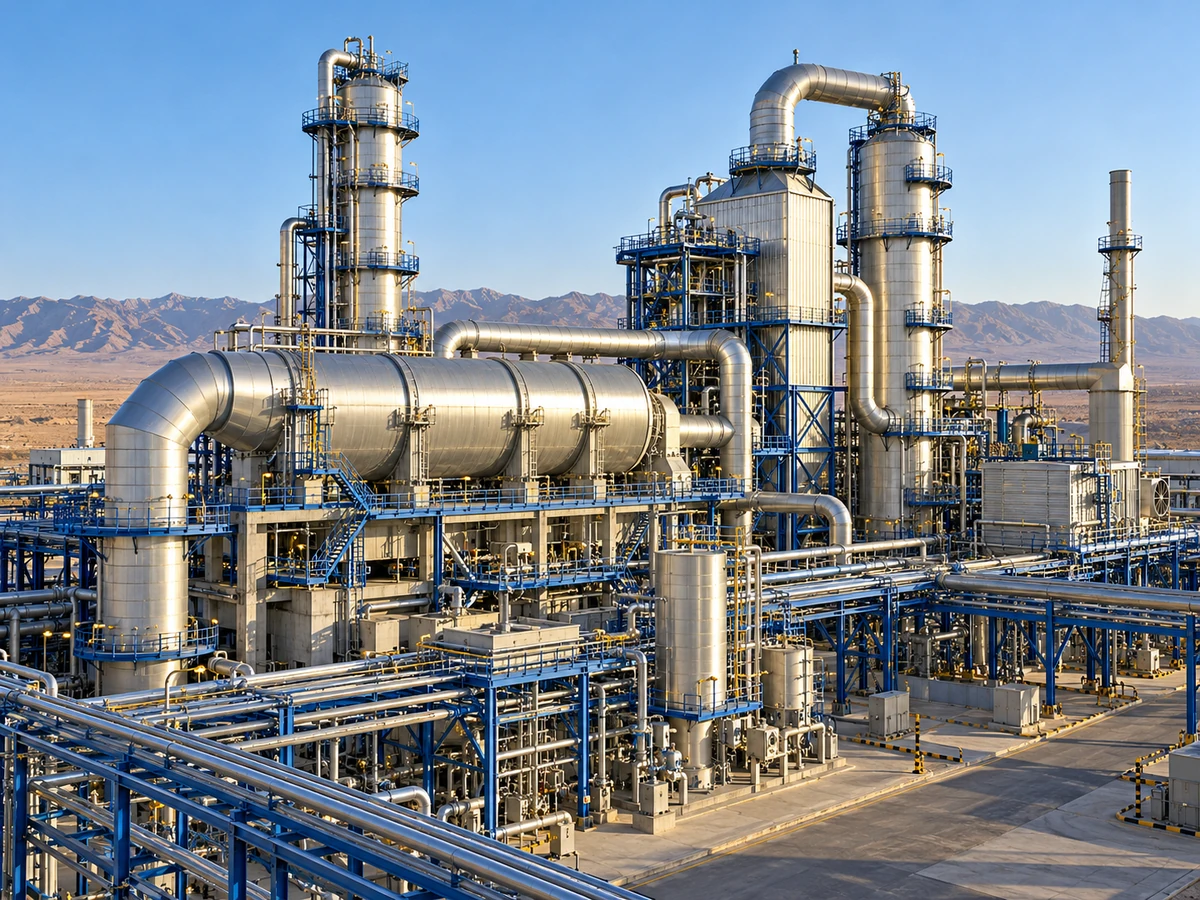
Design, engineering and construction
of industrial sulfuric acid plants · Behineh Ab Engineering
Sulfuric acid (H₂SO₄) is known as the "king of chemicals"; more than 60% of world production is used in phosphate fertilisers (TSP/DAP), and it plays a central role in ore leaching, steel pickling, petrochemical alkylation, pigments, textiles and lead-acid batteries.
Building a plant requires combining process engineering, static equipment, corrosion metallurgy and instrumentation. This article covers the path from DCDA technology and equipment design to the materials map, fabrication, HSE and the EPC steps (FEED to start-up).
2. Production process and DCDA technology
The standard for new plants based on burning elemental sulphur. It replaces single-absorption SCSA (efficiency ≈ 97.5–98%). The oxidation SO₂→SO₃ is exothermic and equilibrium-limited; intermediate absorption of SO₃ before the final beds raises the conversion of the remainder and reduces SO₂ emissions from the stack.
a) Burning molten sulphur with dry air; flame 1000–1200 °C. b) WHB for cooling and high-pressure steam. c) Multi-bed converter (usually 4–5 beds) with gas-gas exchangers between beds. d) Intermediate and final counter-current absorption with concentrated acid + demister.
The air/sulphur ratio, the temperature of each bed, the exchanger duties, the flow/concentration of the circulating acid, and the water balance to hold the product at 98.5–99% must be solved iteratively.
2.2. Key process reactions
Sulphur burning, catalytic conversion and absorption; efficiency and operating temperatures are the design criteria:
Furnace SO₂ is usually 9–11% by volume. Reactor inlet ≈ 400–430 °C; V₂O₅ is active at about 410–450 °C and up to 600 °C. Absorption uses circulating 98.5–99% acid (not pure water) to prevent acid mist. DCDA shifts the equilibrium with intermediate absorption after the third bed.
3. Design of the main equipment
Horizontal furnace with a combustion chamber and sometimes checker work; gas residence time ≈ 2–4 s. Internal refractory; shell with a cooling jacket. Fire-tube or water-tube WHB with a floating head/U-tube; steam usually 40–65 bar for a turbine or process steam.
Vertical cylinder up to 10–12 m in diameter; beds on a grid with ceramic/quartz balls. A distributor to prevent hot spots. CS/low-alloy shell; hot zones with refractory or heat-resistant SS. SS shell and tube exchangers with an expansion joint or floating head for differential expansion.
Dryer: air through 93–98% acid over ceramic packing. Intermediate/final absorption with a resistant lining, Raschig/Intalox packing, distributor and fibre bed demister. Circulation tank, pump and acid cooler to hold the inlet acid at ≈ 70–80 °C.
4. Material selection and corrosion
Cold concentrated acid is handled fairly well by CS (sulphate layer); the 50–90% range and high temperatures are the most corrosive. Pitting, crevice corrosion and SCC at welds and in the presence of chloride are serious.
| Material | Indicative range | Typical use |
|---|---|---|
| Carbon steel | >98.5% · low temperature · velocity <1–1.5 m/s | Cold product tanks, concentrated lines |
| Saramet / high-silicon | Hot concentrated acid up to ≈110–120 °C | Distributors and tower components |
| 310MoLN / SX | Up to ≈130–150 °C | Troughs and middle absorption zones |
| Hastelloy C-276 / Alloy 20 | Critical points of temperature + impurities | Pumps, valves, acid coolers |
| Ti / Zr · rubber / VE | Chloride/fluoride or dilute acid | Dilute acid tanks and sumps |
A point-by-point materials selection diagram (not a process average). Corrosion allowance in the thickness. An RBI programme with UT at critical points.
5. Construction and quality control
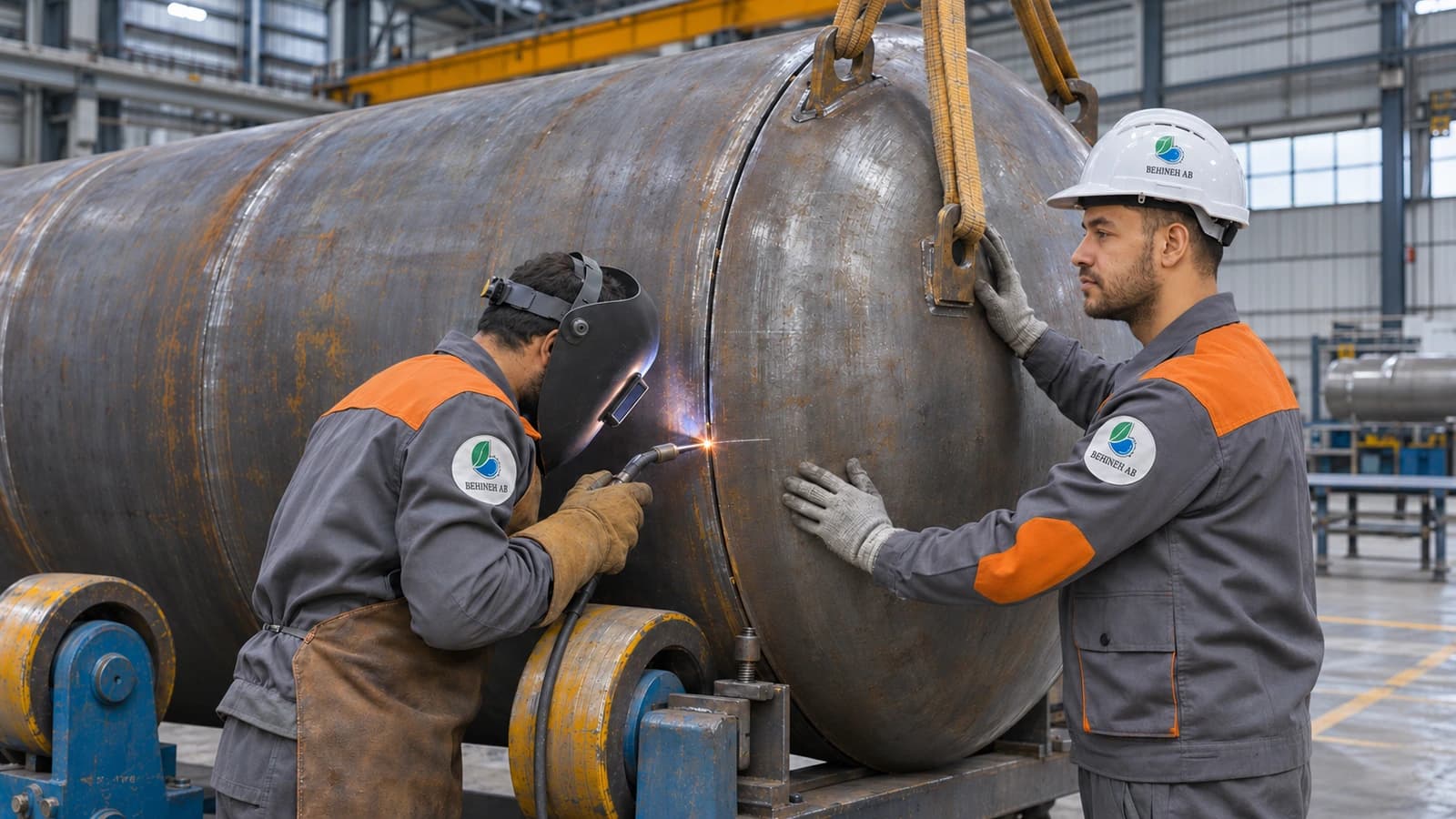
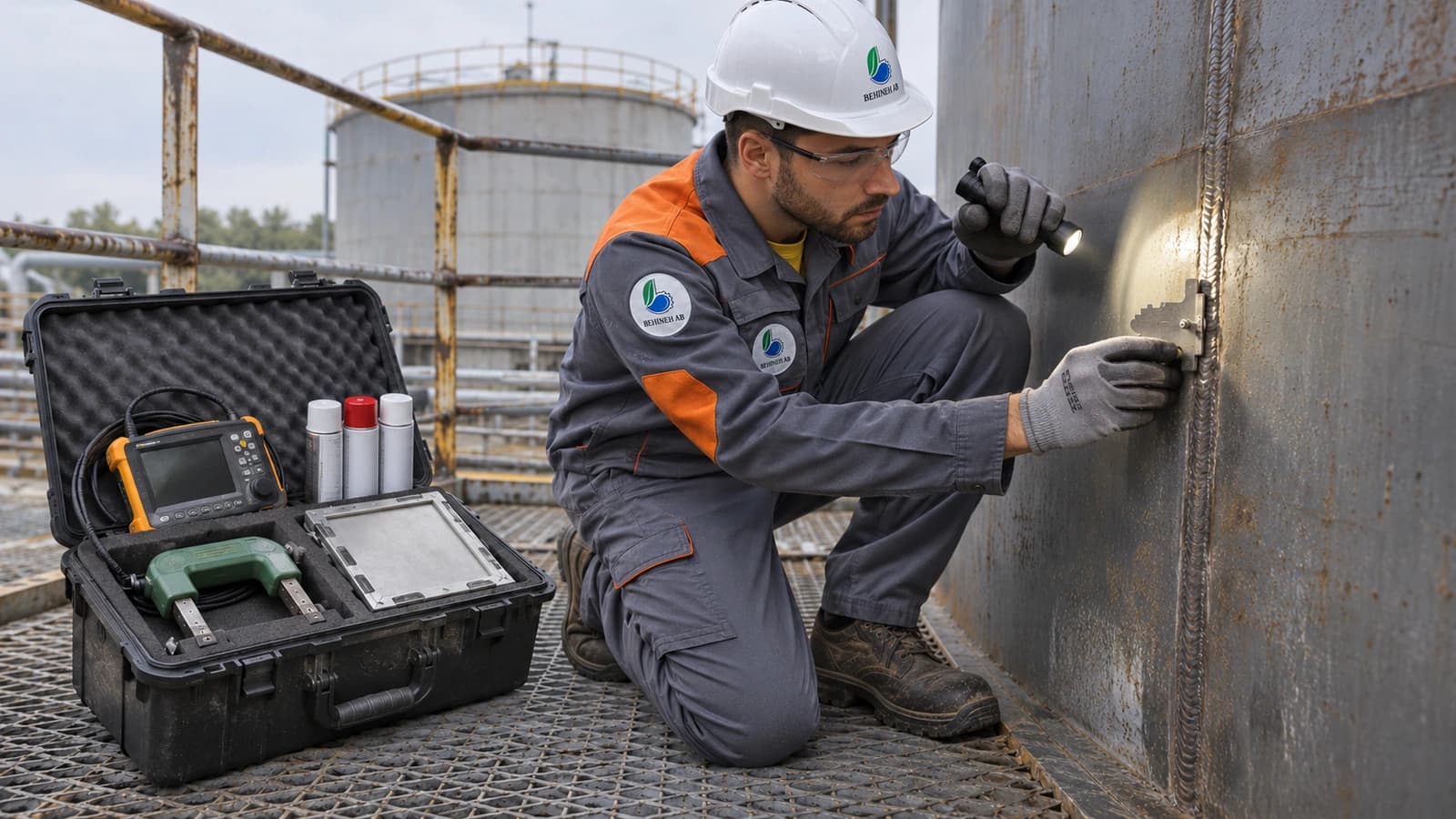
ASME VIII for pressure equipment; ASTM for materials. Guidelines from Sulphuric Acid Today and the licensors (MECS, Chemetics, Metso, DuPont). Special WPS/PQR for Saramet/310MoLN, heat input control, and pickling & passivation after welding.
Membrane (lead/SS/resin) + silicate/resin mortar + low-porosity acid-proof brick. Joints without voids; holiday test on the membrane and visual inspection of the joints.
Bed temperature control by exchanger bypass; acid concentration by online density + water injection; circulation level and flow; CEMS for stack SO₂; an independent SIS per IEC 61511.
6. HSE considerations
DCDA reduces emissions; for strict limits, tail gas treatment (alkaline scrubber or H₂O₂) down to <200–500 mg/Nm³. Multi-layer Brownian and high-velocity demisters with efficiency >99.9% for particles below 3 μm.
Tank bunding, leak detection, safety showers and eyewash, PSVs for the reactor/WHB. Acid-resistant PPE and ambient SO₂ alarms. PHA/HAZOP and IPLs are mandatory before start-up.
7. Energy recovery and cogeneration
The combustion and oxidation reactions are strongly exothermic. The WHB, inter-bed superheaters, economisers and an HRS on the hot acid can generate electricity or process steam and shorten the payback period.
EPC — part one: process design
Capacity (t/d of 100% acid), feed (molten sulphur, SO₂ smelter gas or spent acid), product specification. Output: PFD, preliminary P&ID, data sheets. Sulphur/oxygen balance, reactor heat balance and water balance (the most sensitive part for product quality).
General-purpose Aspen/HYSYS/PRO-II is not enough for the H₂SO₄-H₂O-SO₃ system; a licensor model or dedicated package is needed. Basic package: approved PFD, stream table, data sheets and control philosophy.
EPC — part two: procurement of critical items
Acid-proof ceramic packing with crush testing. V₂O₅ catalyst (BASF/Clariant/Topsoe) with bed distribution and crush strength; loaded close to start-up. Vertical acid-resistant cantilever pumps (hydraulic and vibration FAT; delivery 6–9 months). Special control valves, fibre demisters and gas-gas exchangers with thermal expansion — order early.
EPC — part three: construction and installation
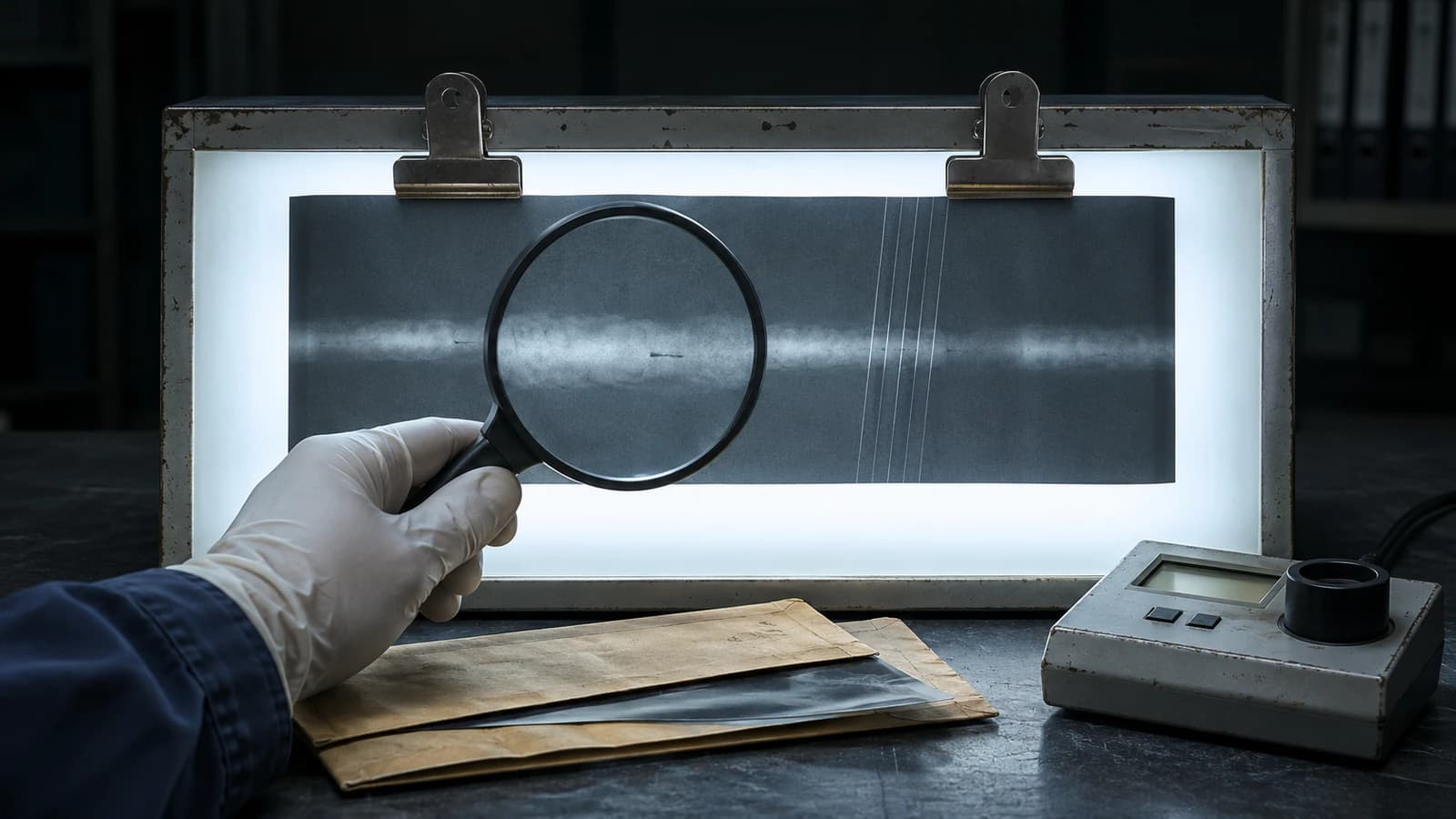
WPS/PQR, interpass control, passivation, RT/UT/PT. Heavy insulation of the furnace/reactor for a surface temperature <60 °C and to prevent CUI. Foundations: surface preparation, primer, VE/novolac coating or brick, bund joint sealing; DFT, holiday detector and pull-off tests.
EPC — part four: pre-commissioning
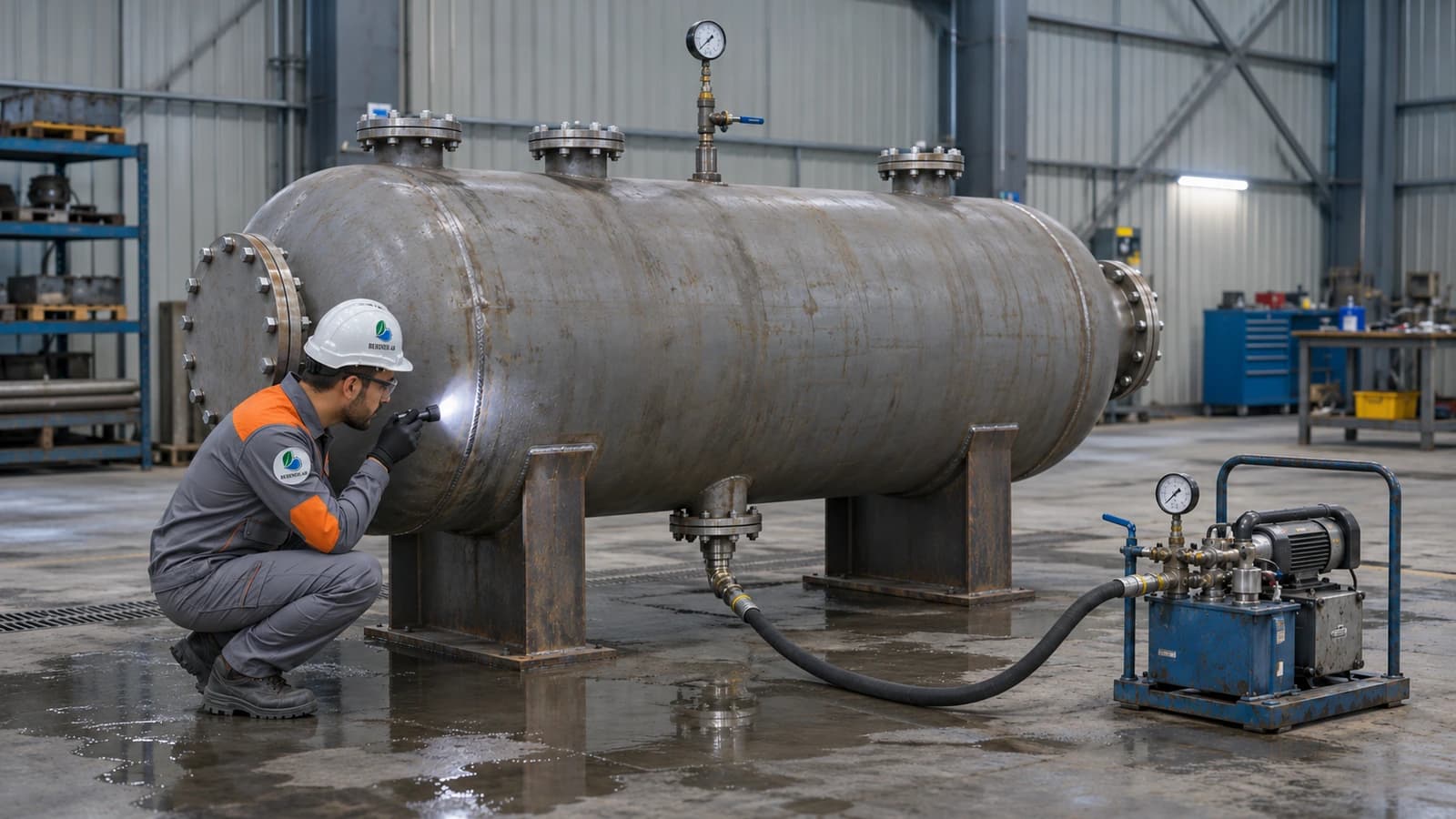
Hydrotest with low-chloride water and inhibitor; pressure ≈ 1.3–1.5× design; complete drying after the test. Dry-out of the furnace/reactor at a controlled rate to remove refractory moisture. Uniform catalyst loading + ceramic balls + cold pressure drop test. Start-up from 30–50% capacity to stabilisation and commercial operation.
Conclusion
A plant's success rests on four pillars: the DCDA process with high efficiency and low emissions, a materials map based on field data, construction to standard (special welding and lining), and smart control and safety with SIS and CEMS.
In EPC, balance-driven design coordination, proactive procurement of long lead items, strict site QC and unhurried pre-commissioning reduce the risk of delay and cost overrun. Behineh Ab Engineering supports the project from FEED to start-up.
Technical specifications
Why DCDA instead of single absorption?
Intermediate absorption of SO₃ shifts the equilibrium and raises the conversion of the remaining SO₂; efficiency rises from about 98% to more than 99.7% and stack emissions fall.
Long lead items in EPC
The V₂O₅ catalyst, ceramic packing, acid-resistant cantilever pumps and gas-gas exchangers must be ordered as soon as the data sheets are final; delivery of some items takes 6 to 9 months.
Dry-out before start-up
Gradually heating the furnace and reactor refractory drives out the moisture in the mortar; a sudden rise in temperature can crack the brick or make it burst.
Applications and industries
Photo gallery
Process equipment gallery
Frequently asked questions
Request a quote
Design, engineering and construction of sulfuric acid plants
Enter the pressure, temperature and fluid; our engineers send a technical proposal and price within 24 working hours.
- Written technical reply with a proposed concept drawing
- Site visit in Tehran and surroundings
- 24-month warranty on fabrication and welding