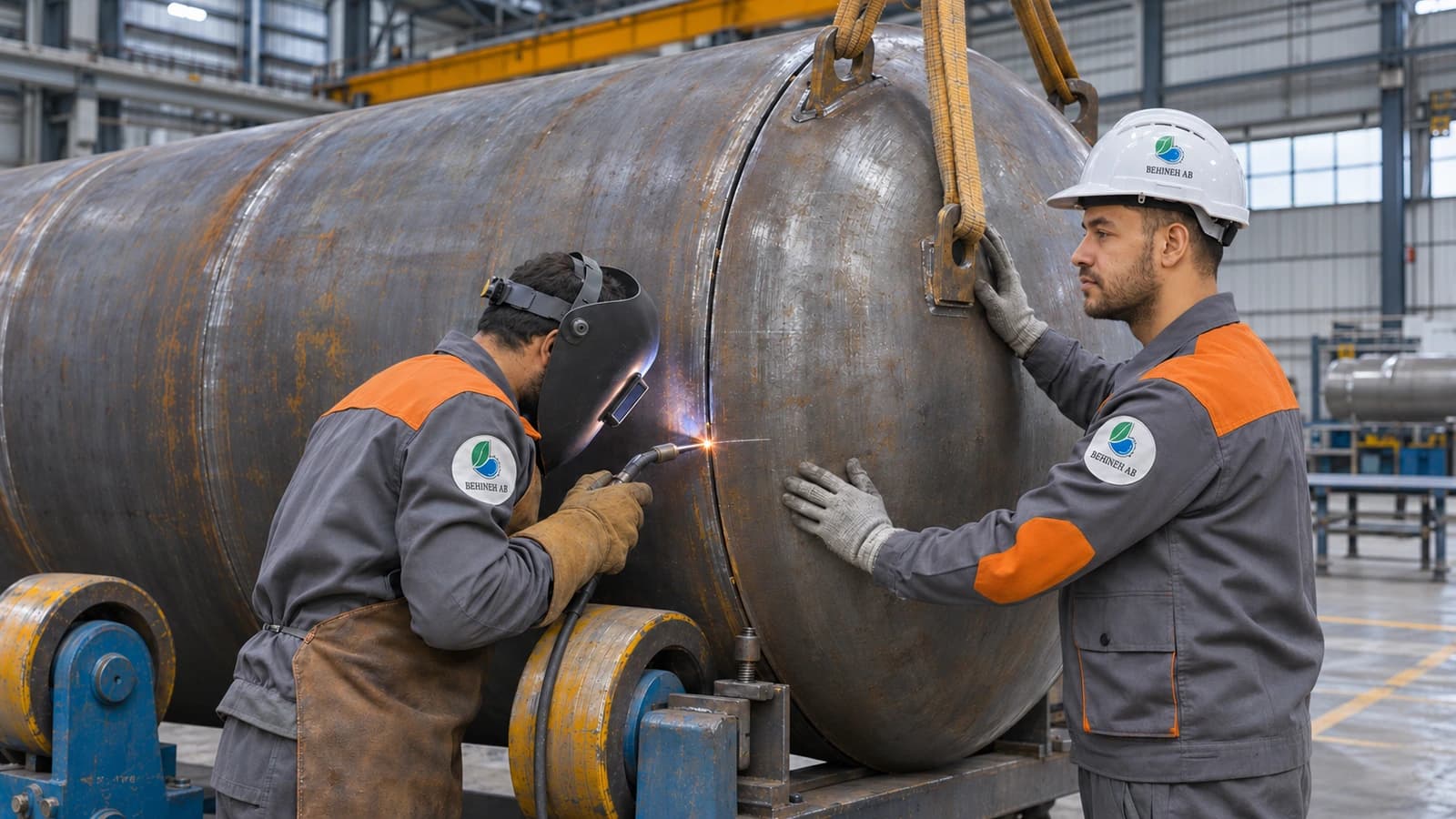
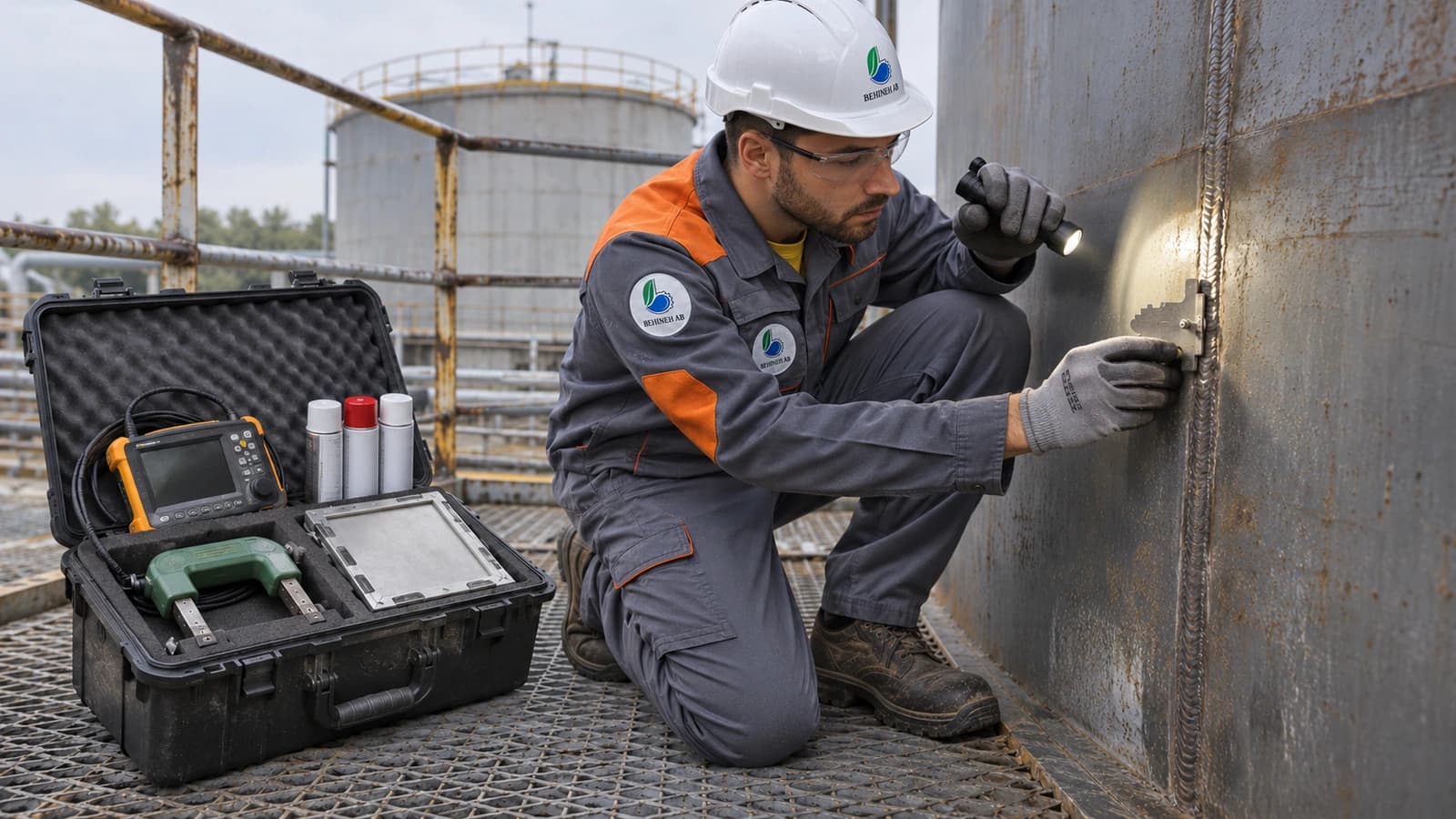
Design and fabrication of
water tanks ground and elevated, to standard!
Water storage tanks for municipal, industrial and building use
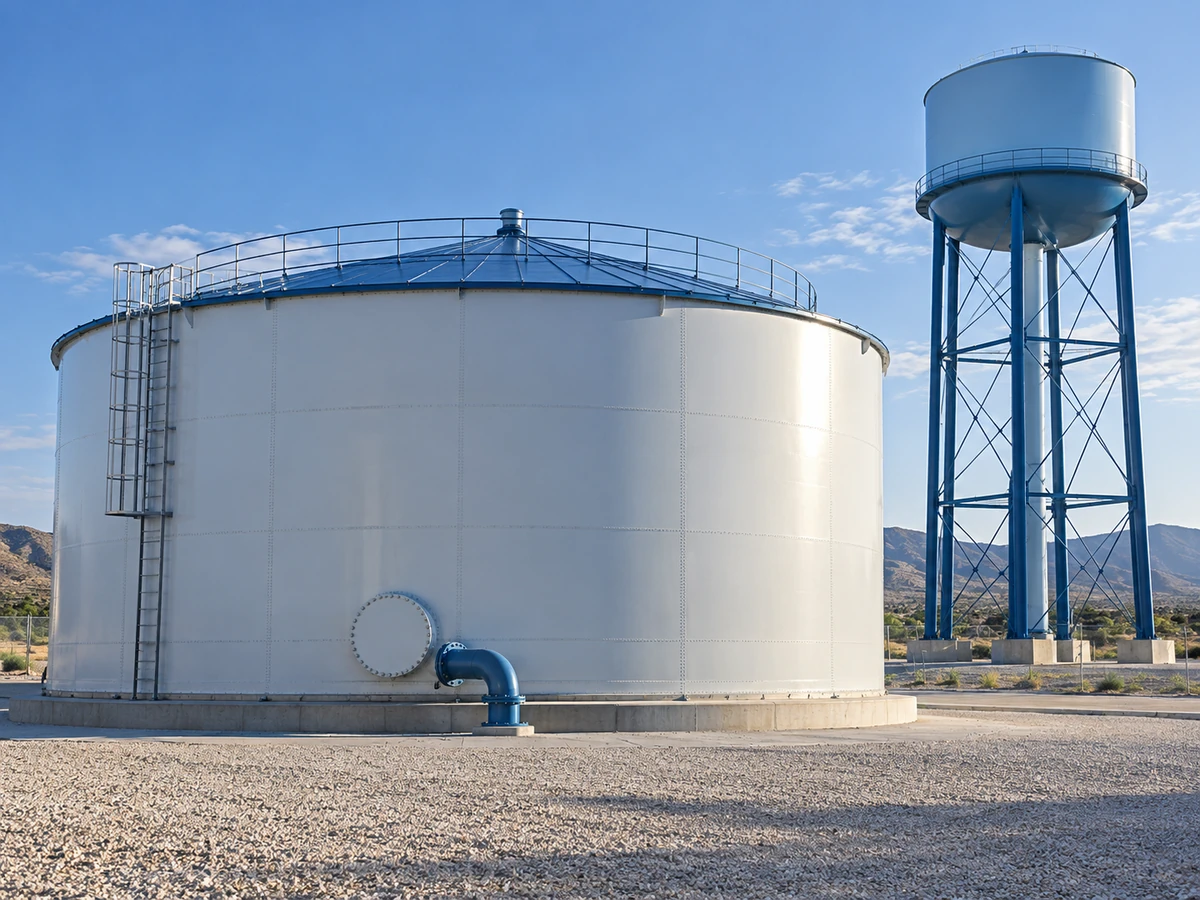
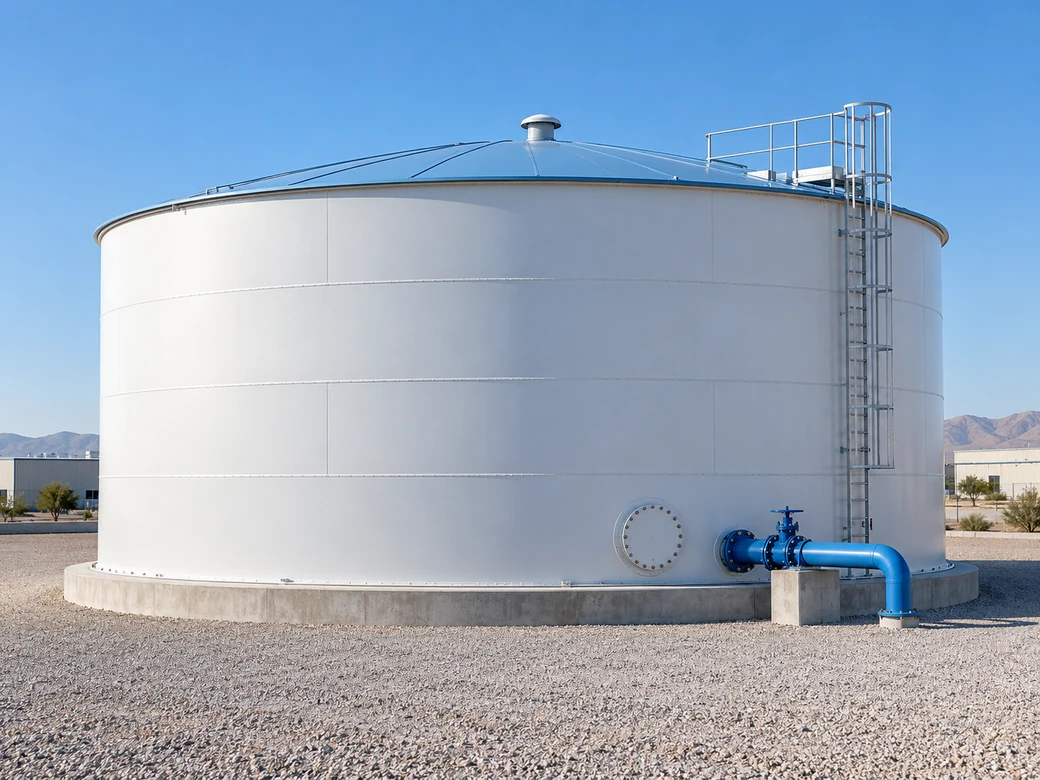
Building a water tank starts with one question: what is the water for? A drinking-water tank needs a hygienic internal lining, a fire-water tank must always hold a set reserve, and an irrigation tank above all has to be cheap and durable. Next comes the installation site: on the ground on a concrete foundation, or elevated on a steel tower.
Key features
Technical details
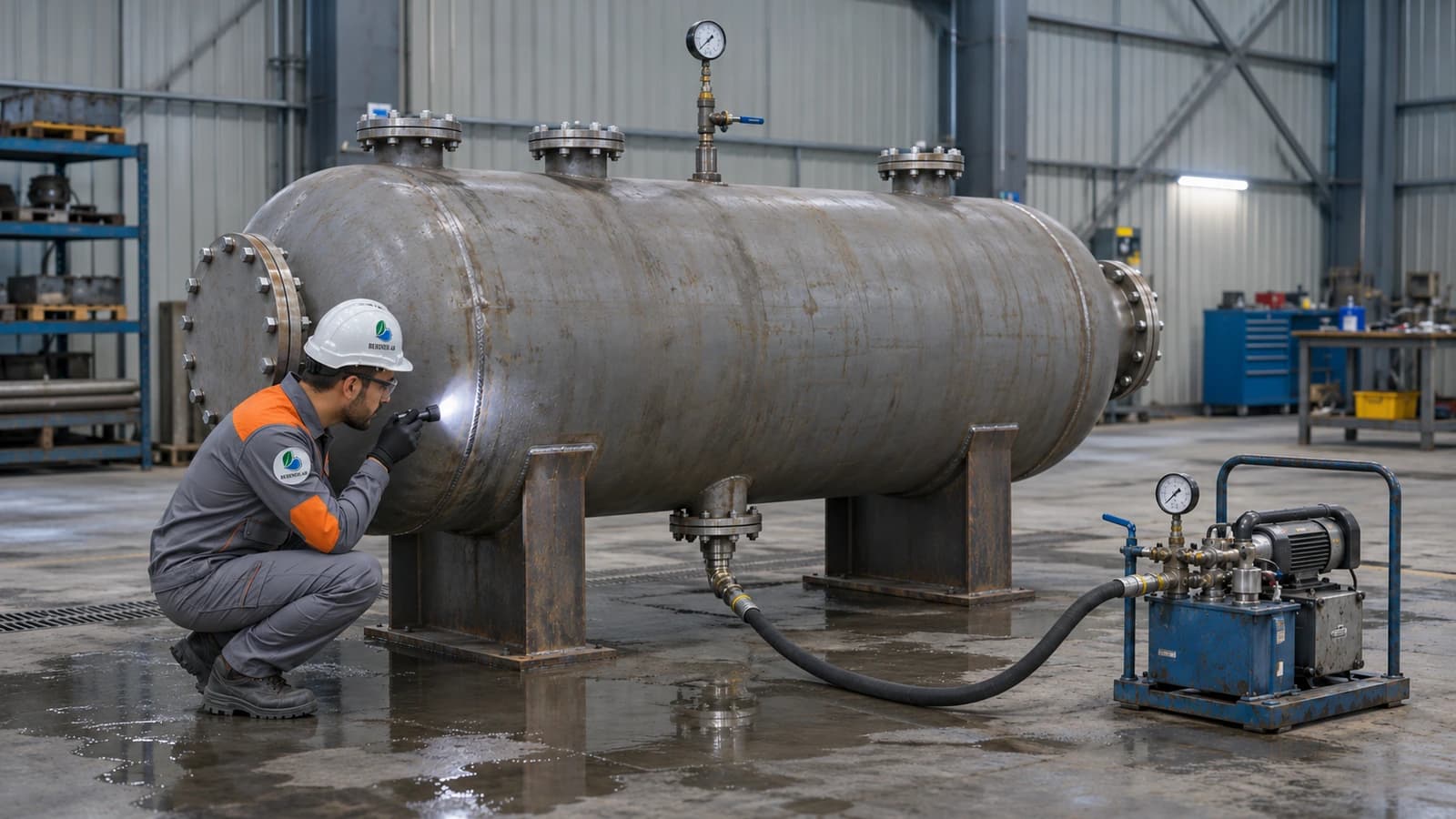
Plate thickness is calculated from the height of the water column and the tank diameter. On an elevated tank, wind and seismic loads on the tower are added. Every water tank is fill-tested before delivery, so any weld leak is found in our yard, not after installation.
Behineh Ab has been building steel water tanks since 2003: painted carbon steel, galvanized and stainless. From tanks of a few thousand litres to large tanks built on the project site. Water tank prices are calculated from the fabricated weight.
Technical specifications
Ground or elevated tank: what is the difference?
A ground tank sits on a concrete foundation and is more economical for large volumes, but it needs continuous pumping to distribute water through the network. An elevated tank uses the height of its structure to supply gravity pressure for distribution without constant pumping, but it adds the cost of the supporting structure and wind and seismic calculations to the project.
The choice between the two usually depends on site topography, the long-term cost of pumping energy, and the need for steady pressure in the network.
Shell material: steel, polyethylene or fibreglass?
Steel and galvanized tanks are the first choice for most municipal and industrial projects thanks to their strength and good weather resistance. Polyethylene tanks are lighter and cheaper to maintain but less strong than steel. Fibreglass is also a good option for water and some non-corrosive chemicals.
The calculations behind a quality water tank
Shell plate thickness is calculated from the hydrostatic pressure of the water column; on elevated tanks, wind and seismic loads on the supporting structure must be checked separately. A hygienic internal lining for drinking water, and the weld and connection details, also directly affect the tank's service life, which can exceed 25 years when these calculations are followed.
Applications and industries
Photo gallery
Water tank gallery
Frequently asked questions
Request a quote
Water tank design & fabrication
Enter the pressure, temperature and fluid; our engineers send a technical proposal and price within 24 working hours.
- Written technical reply with a proposed concept drawing
- Site visit in Tehran and surroundings
- 24-month warranty on fabrication and welding