Hygienic lining · safe for drinking water

Design and fabrication of
drinking water tanks hygienic and durable!

Safe drinking-water storage with a hygienic lining

Besides mechanical strength, a drinking water tank must meet the hygiene requirements for contact with potable water: an approved internal lining, protection against light and algae growth, and weld and connection details with no dead spots where contamination can collect.
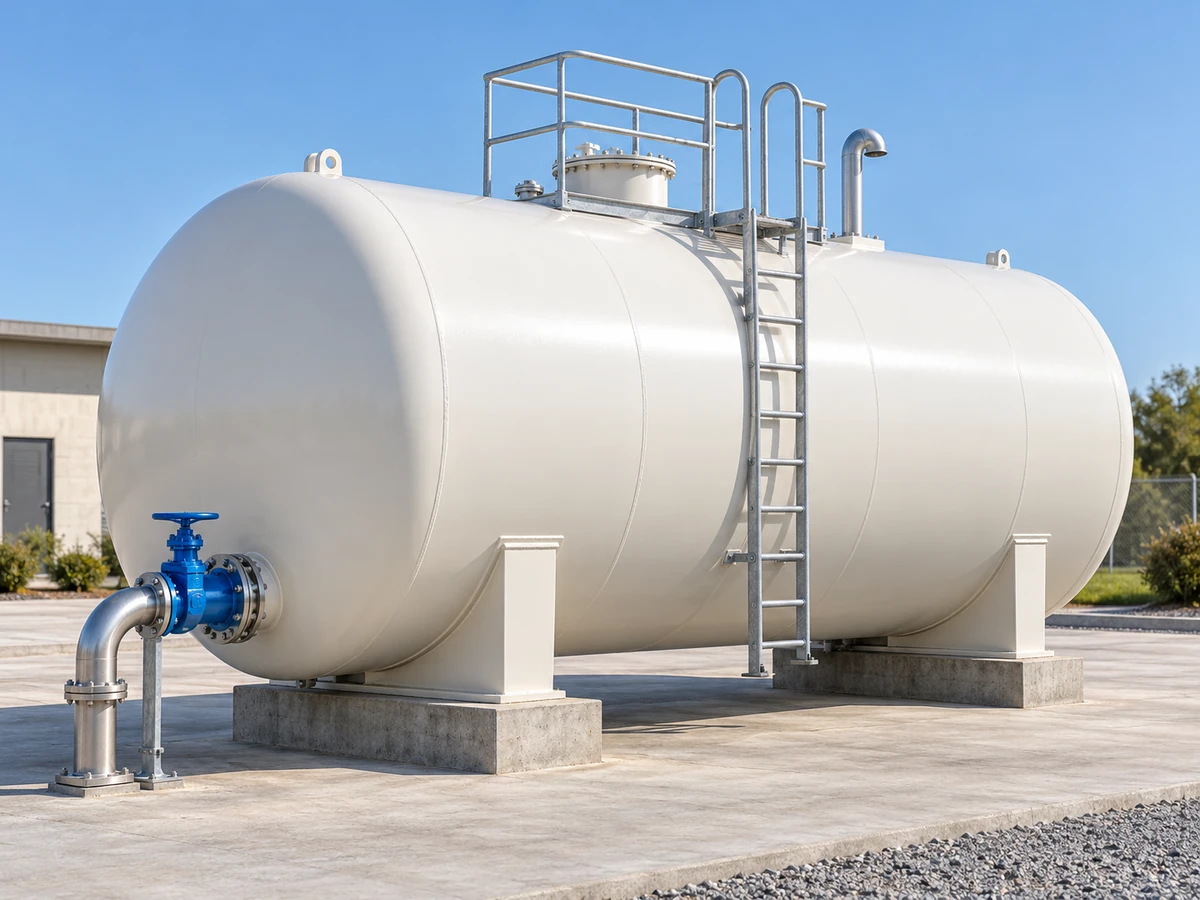
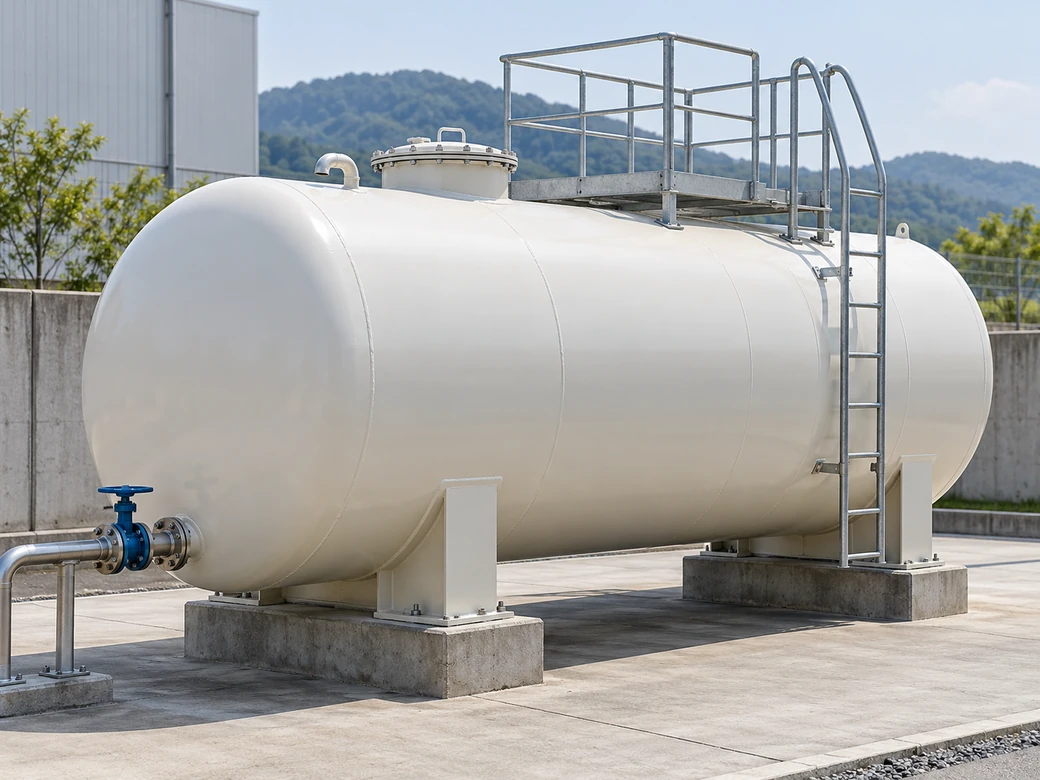
Drinking water tank built by Behineh Ab
Use
Municipal and industrial drinking-water storage
Shell material
Steel with hygienic lining / galvanized / stainless
Internal lining
Hygienic epoxy or approved equivalent
Installation
Ground or elevated

Key features

Hygienic internal lining suited to drinking water
Ground or elevated construction
Protection against light and algae growth
Thickness calculated from hydrostatic pressure
Inspectable weld and connection details
Coordinated with water-supply installation requirements
Drinking water storage tank

Technical details

Depending on capacity and site conditions, the tank can be ground or elevated, steel with a hygienic lining, galvanized or stainless. The final choice depends on the incoming water quality, the budget and access for maintenance.

Behineh Ab designs and builds drinking water tanks to suit each project's capacity, structure type and hygiene requirements.

Technical specifications

Use
Municipal and industrial drinking-water storage
Shell material
Steel with hygienic lining / galvanized / stainless
Internal lining
Hygienic epoxy or approved equivalent
Installation
Ground or elevated
Capacity
To suit the project

What is a hygienic lining and why is it needed?

The internal lining must be approved for contact with drinking water so that no harmful substances leach into the water, and the inner surface stays resistant to corrosion and microbial growth.

Ground or elevated?

A ground tank is usually more economical; an elevated tank gives the network more static pressure and, on some sites, reduces the need for pumping.

Applications and industries

Municipal water networks
Residential and commercial complexes
Factories using drinking water
Hospitals and health centres
Hotels and tourist complexes
Industrial facilities

Frequently asked questions

Request a quote
Drinking water tank

Enter the pressure, temperature and fluid; our engineers send a technical proposal and price within 24 working hours.

  • Written technical reply with a proposed concept drawing
  • Site visit in Tehran and surroundings
  • 24-month warranty on fabrication and welding
Call our engineering office
+98 21 4686 6276

Your details are confidential and used only to prepare a technical proposal.

All articles
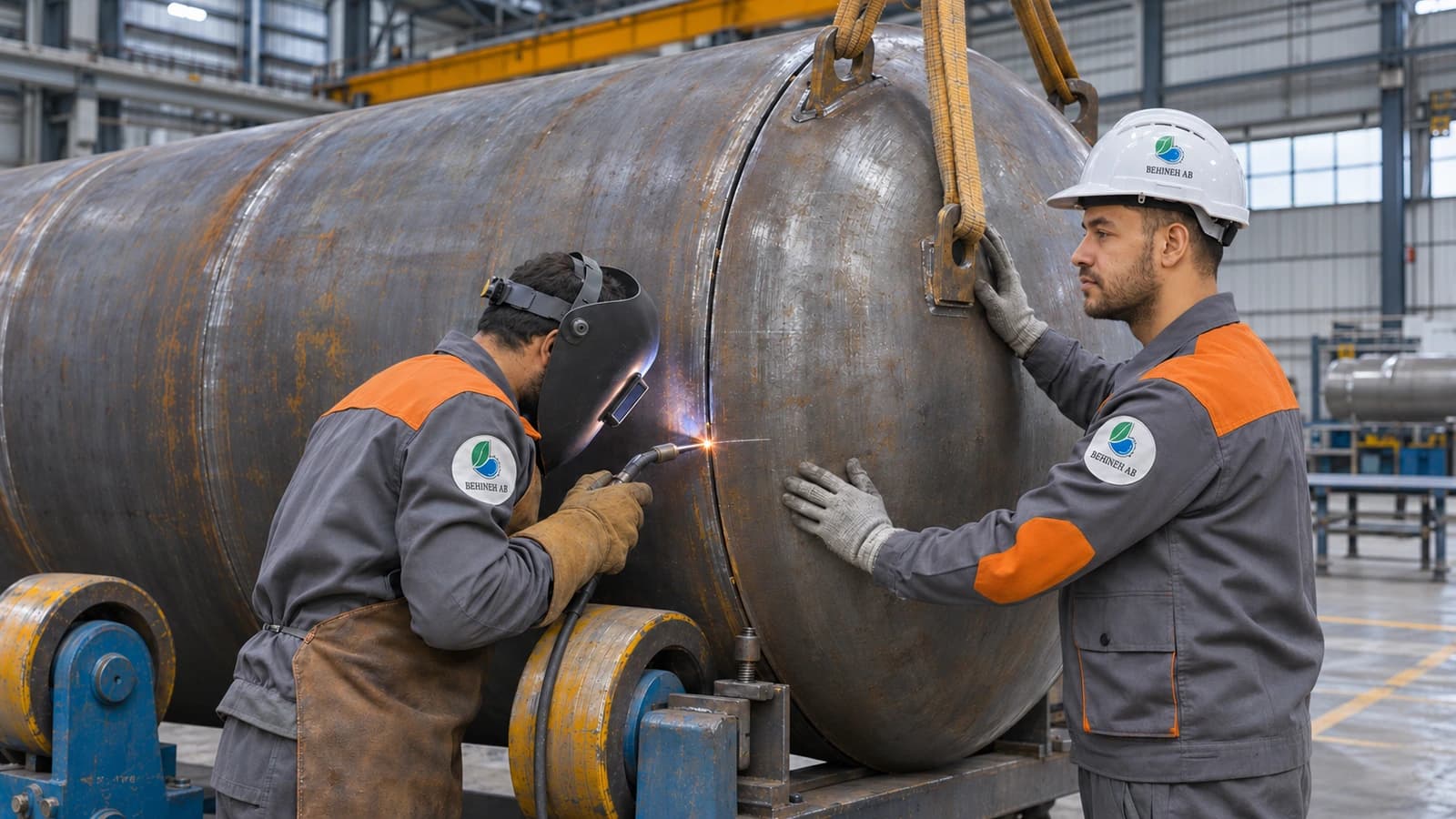
  • Assembling the shell and head of a steel tank in the Behineh Ab tank fabrication workshop

    Steel Tank Manufacturing Steps, from Order to Delivery

    The steps of building a steel tank, from the data sheet to testing and dispatch. A 20,000-litre tank takes about three weeks; here is what that time is spent on.

    Read more
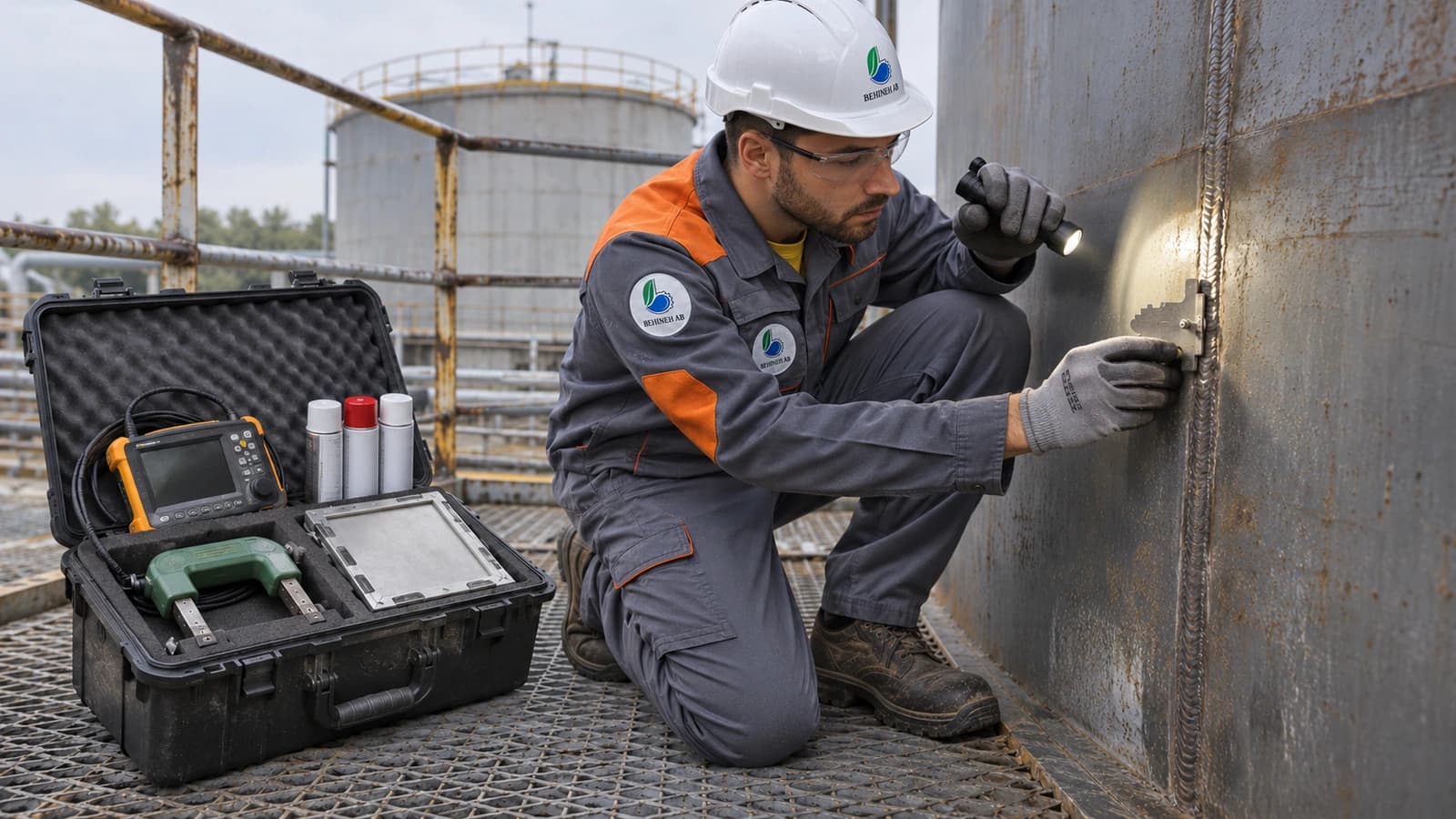
  • Inspector carrying out a non-destructive test on a steel tank shell weld

    Tank Tests: What Defect Does Each Test Find?

    Hydrotest, radiography, ultrasonic, liquid penetrant, magnetic particle and vacuum box. Each finds a particular defect and none can replace another. Here we compare them.

    Read more
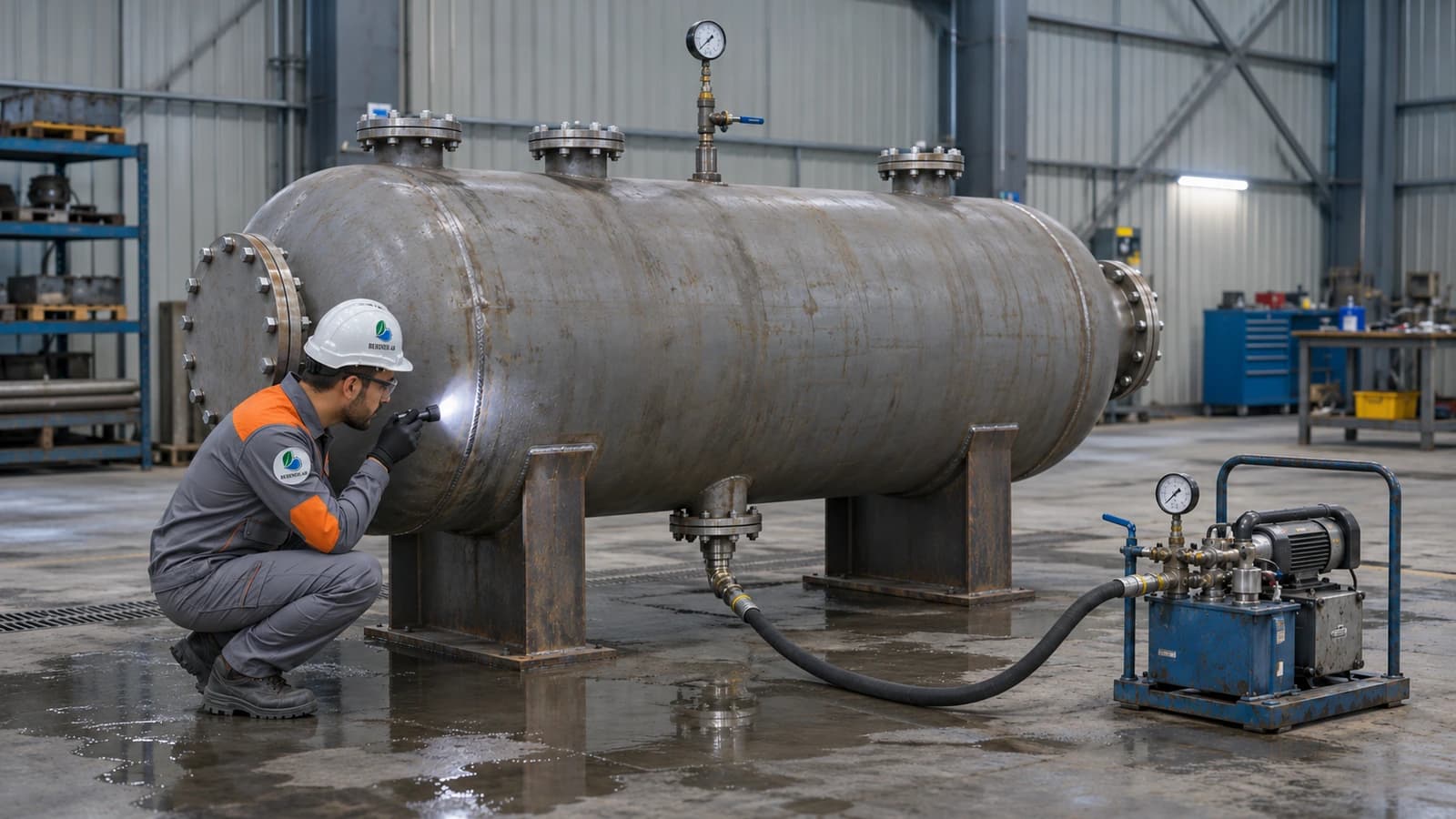
  • Pressure vessel under hydrostatic test with a pressure gauge in the Behineh Ab workshop

    Tank Hydrostatic Test, Step by Step

    The hydrotest is a tank's final exam before delivery, and we carry it out in our own factory. The test pressure, the work before filling, and the mistake that can ruin a tank while it is being drained.

    Read more
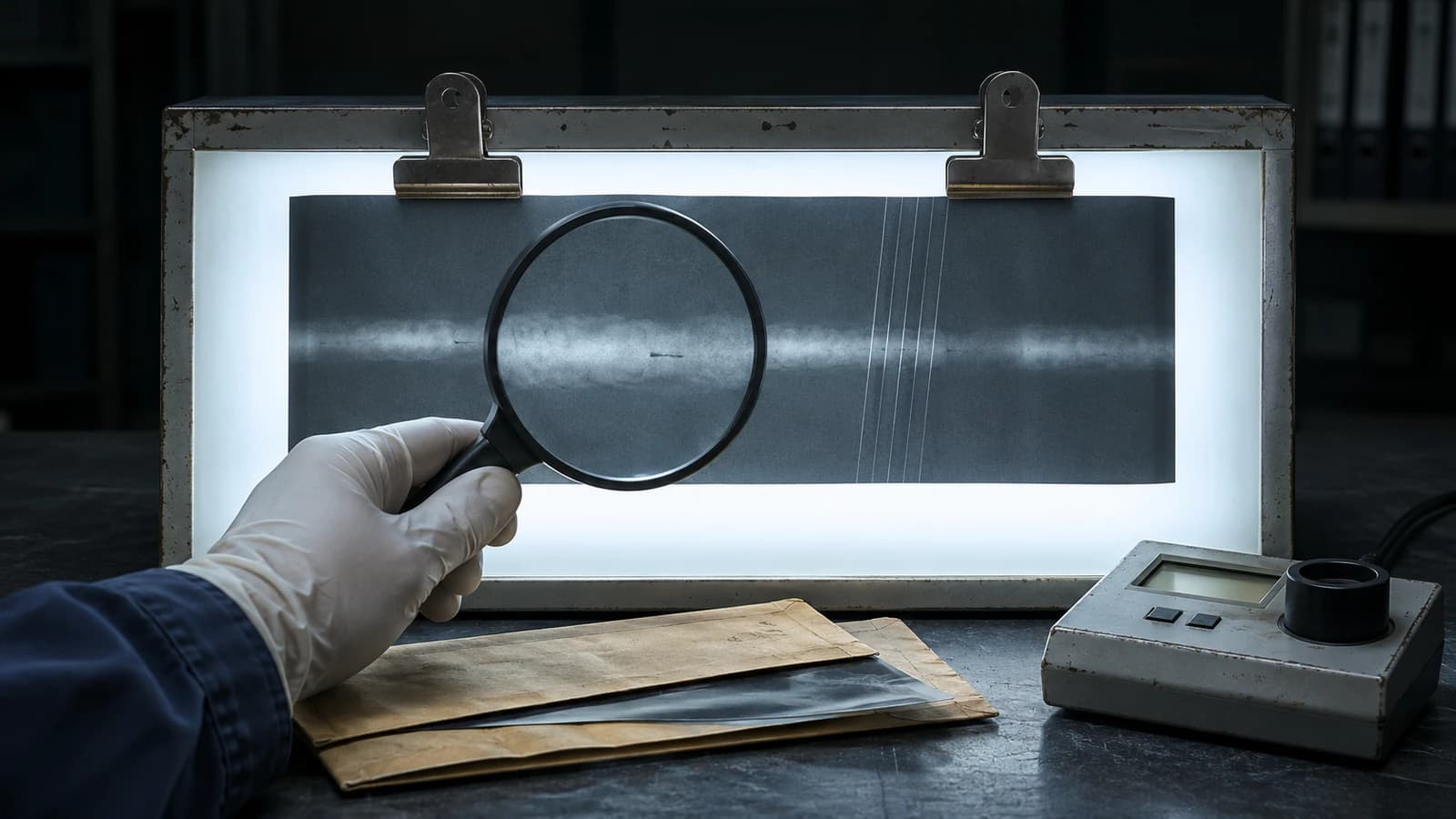
  • Radiography film of a tank shell weld on a film viewer

    Weld Radiography: What Percentage of Seams Must Be Tested?

    The radiography percentage sets the joint efficiency, and the joint efficiency sets the plate thickness. In other words, this decision directly affects the tank's weight and price.

    Read more