316 stainless steel tank fabrication
A complete technical and engineering guide · Behineh Ab Engineering
Grade 316 stainless tanks are the engineering answer to pitting and crevice corrosion in the presence of chloride — not simply an upgrade from 304. 2–3% molybdenum stabilises the passive layer and raises PREN to about 24–28.
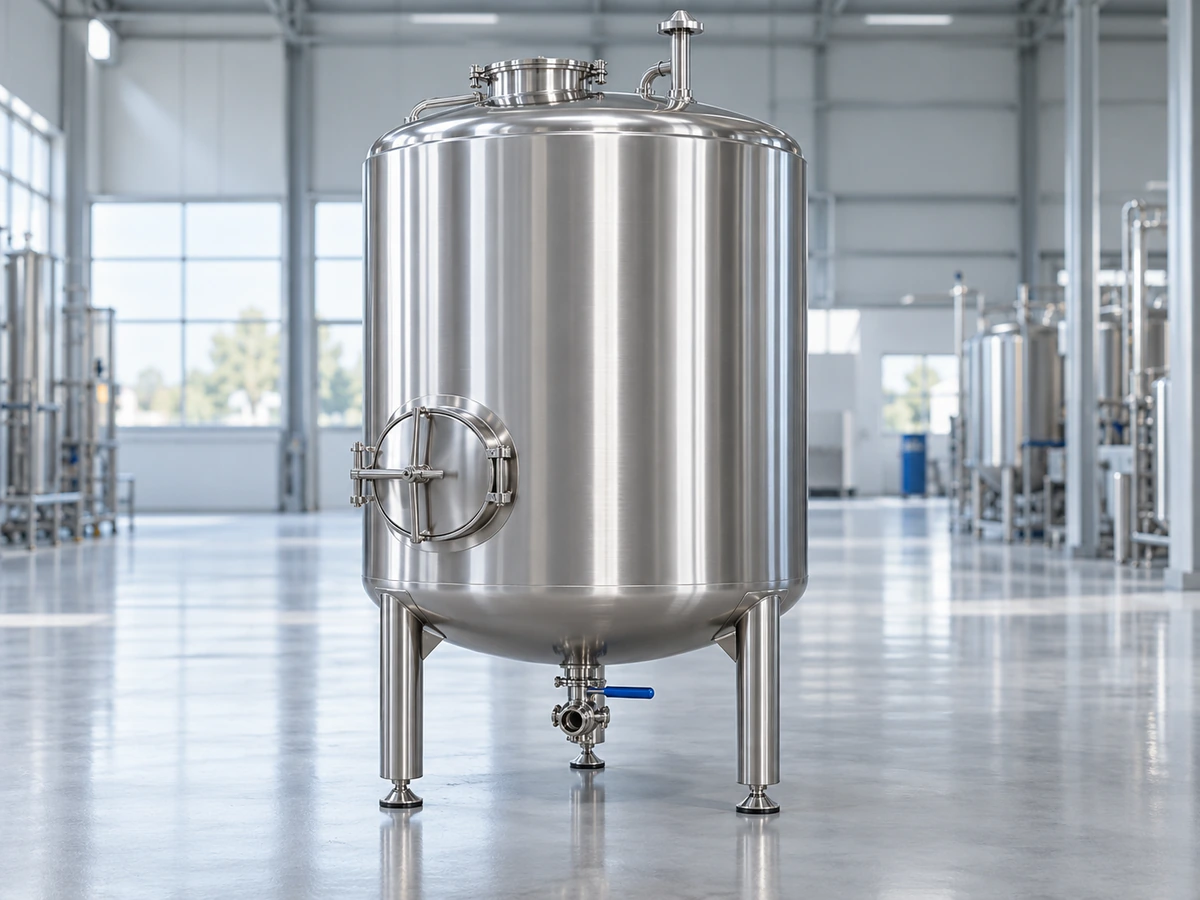
316 stainless steel tank fabrication
Behineh Ab Engineering · a complete technical guide
Grade 316 stainless tanks are among the most widely used and most demanding equipment in highly corrosive environments. Choosing 316 is not simply an upgrade from 304; it is the engineering answer to resisting pitting and crevice corrosion in the presence of chloride ions.
Behineh Ab Engineering designs and builds 316 and 316L stainless tanks for specialist applications to international standards, with quality control based on verification tests. This article covers their metallurgy, fabrication, welding, passivation, QC and the relevant standards.
Why grade 316? A metallurgical view
Grade 316 usually contains 2 to 3% molybdenum; 304 has practically none. Molybdenum increases the stability of the chromium passive layer in the presence of chloride and prevents local breakdown and pitting in sea water, brackish water and some chemicals.
| Element | Grade 304 | Grade 316 |
|---|---|---|
| Chromium (Cr) | 18–20% | 16–18% |
| Nickel (Ni) | 8–10.5% | 10–14% |
| Molybdenum (Mo) | — | 2–3% |
| Carbon (C) | ≤ 0.08% | ≤ 0.08% |
The PREN index and what sets 316 apart
Pitting resistance is quantified by PREN; the higher it is, the greater the chloride resistance:
The PREN difference explains why, in sea water or chloride fluids, grade 316 is a requirement rather than an option. For welded tanks without PWHT, 316L with no more than 0.03% carbon greatly reduces the chance of sensitization and intergranular corrosion, and it is Behineh Ab's standard choice.
Grade 316L: controlling intergranular corrosion
When austenitic steel is welded, the zone at about 450–850 °C is prone to sensitization: carbon combines with chromium to form carbides at the grain boundaries, the boundaries are depleted of chromium, and intergranular corrosion occurs.
316L is the low-carbon version with no more than 0.03% C. For welded tanks — especially without thermal stress relief — 316L is strongly recommended and gives welds more stable corrosion resistance.
Specialist uses of 316 tanks
Storage and processing of sea water, desalination and brackish water because of the high chloride content. It is also preferred in industrial treatment with hard or saline water.
Storage of organic and dilute acids, salt solutions and process fluids. Molybdenum gives particular resistance to dilute sulphuric and phosphoric acids.
316L is the industrial standard for pharmaceuticals, food and cosmetics: corrosion resistance, no reaction with the product and the ability to take a sanitary finish. It is usually built with electropolishing and a controlled Ra.
Fabrication process at Behineh Ab
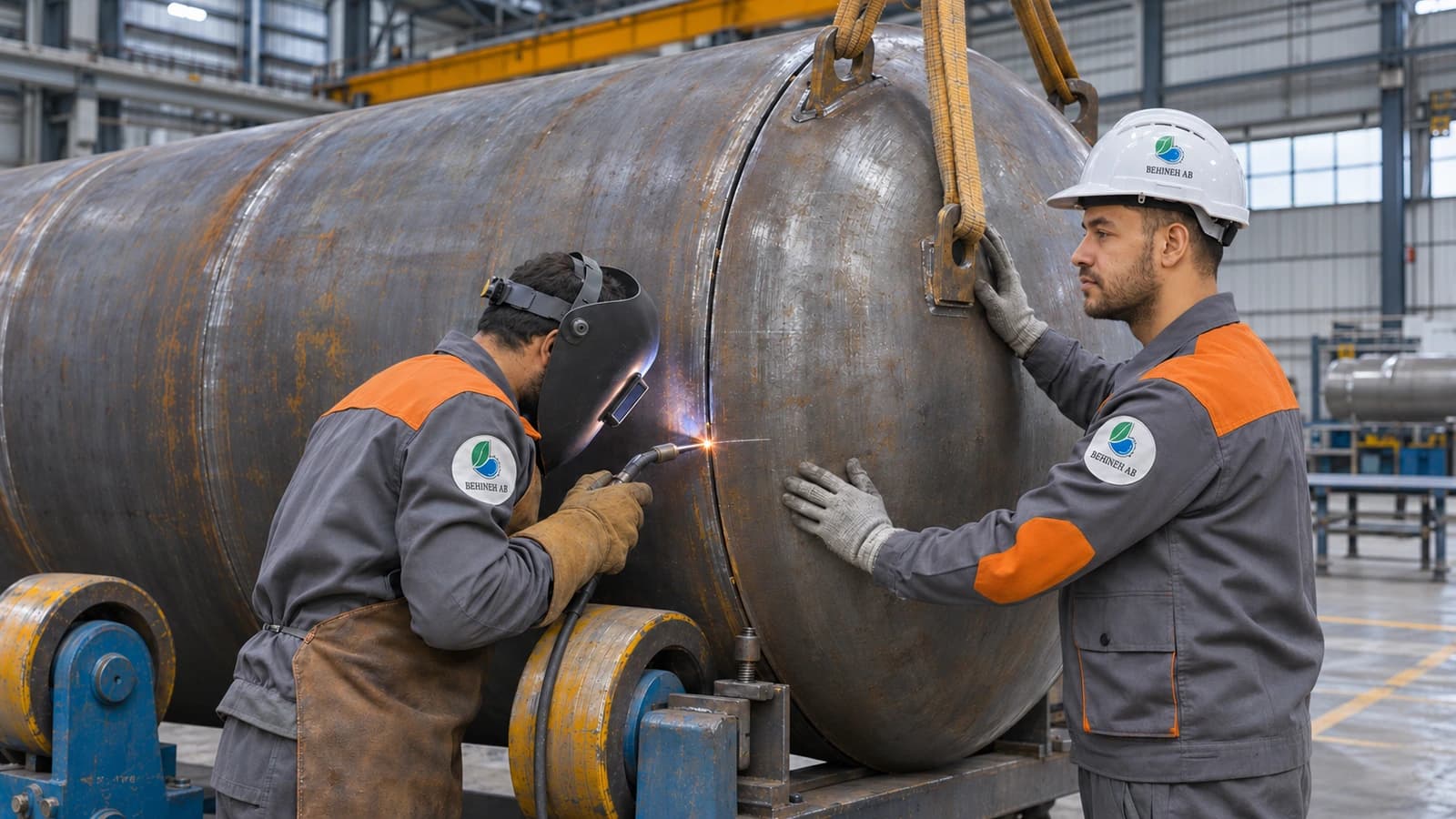
1) Design from pressure, temperature, fluid and volume to code (e.g. ASME). 2) Plate and fittings supplied with MTCs to EN 10204 3.1. 3) Cold cutting or plasma/laser, shell rolling and head pressing — with no contamination from carbon-steel tools (iron contamination). 4) Fit-up and welding to the WPS. 5) Finishing, pickling and passivation. 6) NDT, leak and hydrostatic tests.
GTAW welding: the standard method
Preferred for root passes and critical joints: control of heat input, clean welds with no spatter, suits thin and hygienic plate, and high metallurgical quality of the weld metal.
For 316: ER316. For 316L: ER316L. A low-carbon filler is essential to keep the weld's corrosion resistance.
The root side must be shielded from atmospheric oxygen with argon; otherwise sugaring destroys the weld's corrosion resistance. Residual O₂ is usually kept below 0.1%, and control of heat input and interpass temperature in the WPS is mandatory.
Pickling and passivation
A mixture of nitric and hydrofluoric acid (as gel or paste on the welds) removes the thermal oxide layer, the heat tint around welds and iron contamination.
After pickling, nitric acid (or environmentally friendly citric acid) rebuilds a uniform passive chromium-oxide layer. Reference standard: ASTM A967.
PMI testing: definitive alloy confirmation
304 and 316 look identical; a wrong substitution or the wrong filler can lead to catastrophic failure in a corrosive environment.
PMI by XRF or optical emission spectrometry measures the elemental composition of the base and weld metal non-destructively; its main purpose is to confirm the presence of molybdenum. Behineh Ab performs PMI on incoming plate and on the final weld metal.
ASTM and ASME standards
A240 austenitic pressure plate (316/316L). A312/A358 pipe. A182 flanges and forgings. A967 passivation.
Section VIII Div. 1 pressure vessels. Section IX WPS/PQR and welder qualification. Section II material specifications. For pharmaceutical/hygienic use: ASME BPE.
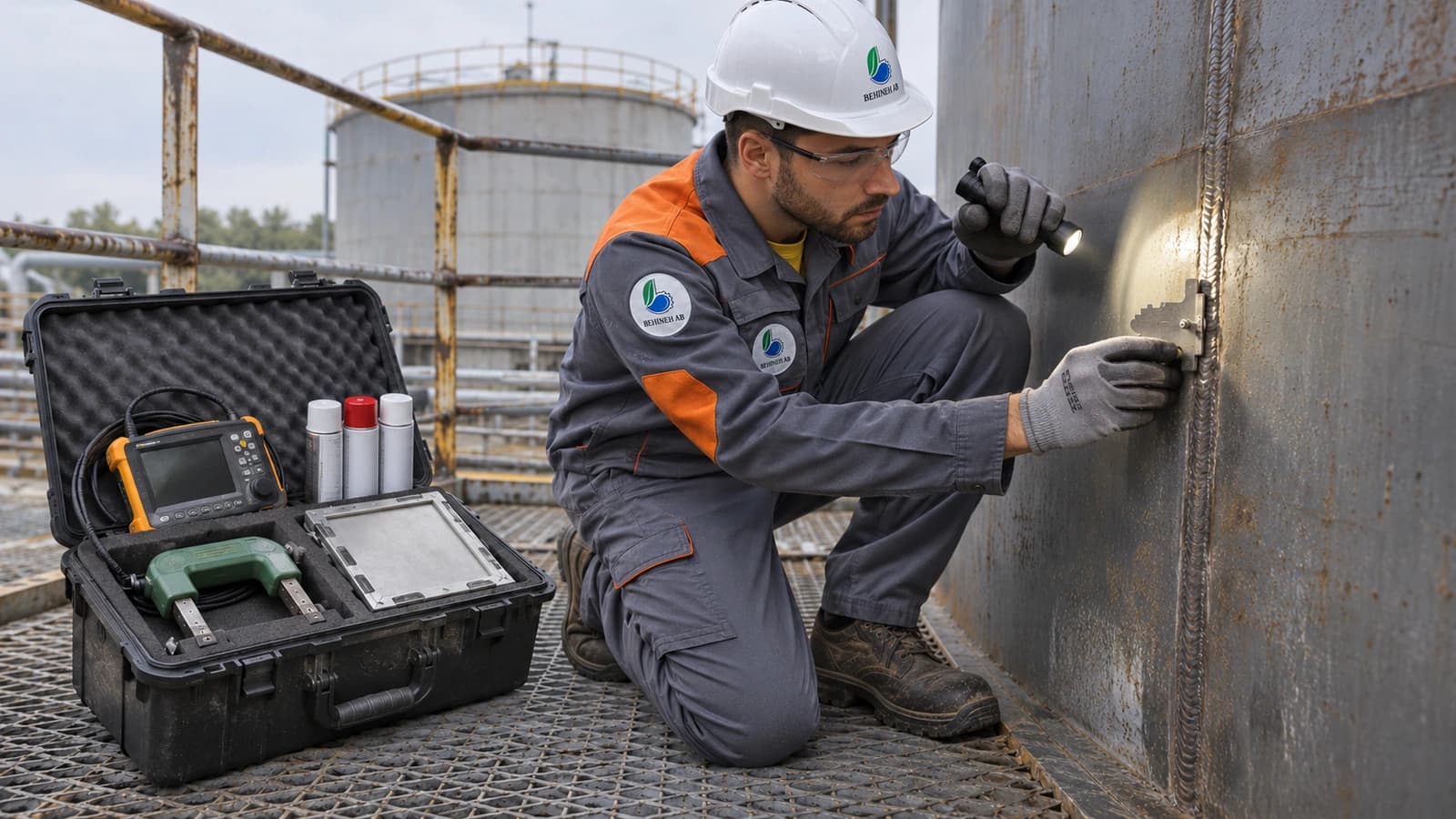
Quality control and final tests
| Test | Purpose |
|---|---|
| Visual inspection (VT) | Appearance of welds and surface |
| Penetrant test (PT) | Cracks and surface defects |
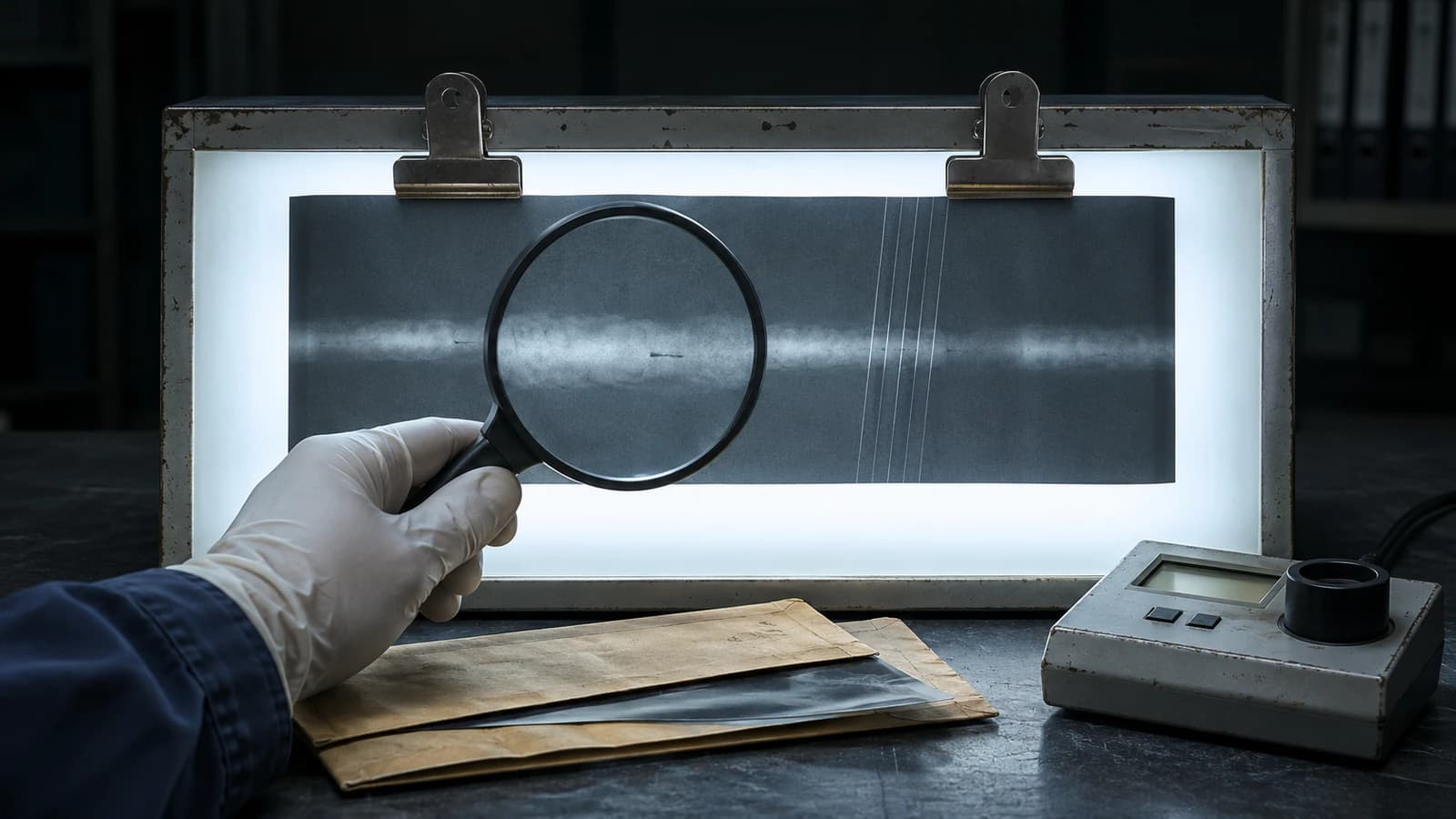
| Radiography (RT) | Internal weld defects |
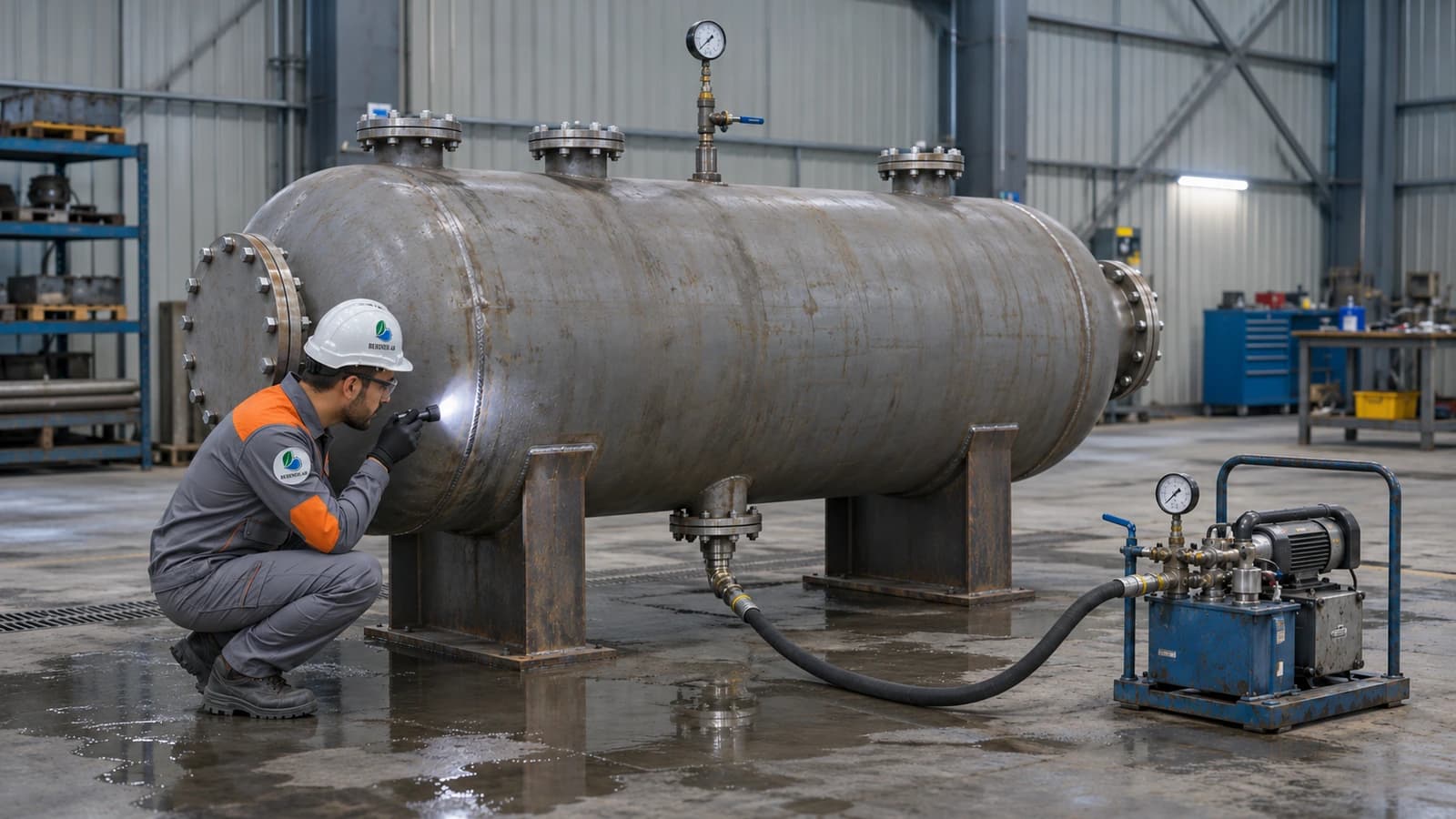
| Hydrostatic | Integrity and tightness |
| PMI | Alloy grade confirmation |
| Ferroxyl test | Confirms iron contamination has been removed |
Summary
Building a 316 stainless tank combines metallurgy, specialist welding and precise QC. Choosing correctly between 316 and 316L, GTAW with back purging, pickling and passivation, and final confirmation by PMI make the difference between a long-lasting tank and a high-risk piece of equipment.
Behineh Ab Engineering, committed to ASTM and ASME and comprehensive quality-control protocols, designs and builds 316 stainless tanks from sea-water service to the pharmaceutical industry. Contact our engineers for technical advice and a price proposal.
Technical specifications
Applications and industries
Photo gallery
316 stainless steel tank fabrication
Frequently asked questions
Request a quote
316 stainless steel tank fabrication
Enter the pressure, temperature and fluid; our engineers send a technical proposal and price within 24 working hours.
- Written technical reply with a proposed concept drawing
- Site visit in Tehran and surroundings
- 24-month warranty on fabrication and welding