Fabrication of all types of heads for pressure vessels
A vessel head is not just a cover; its geometric shape directly affects three parameters: the amount of plate used to form it, the difficulty of forming (and therefore the fabrication cost), and the stress distribution in the body, which sets the allowable working pressure. A hemispherical head is the most efficient shape mechanically but the most expensive to make, while a flat head is the cheapest but the weakest against internal pressure.
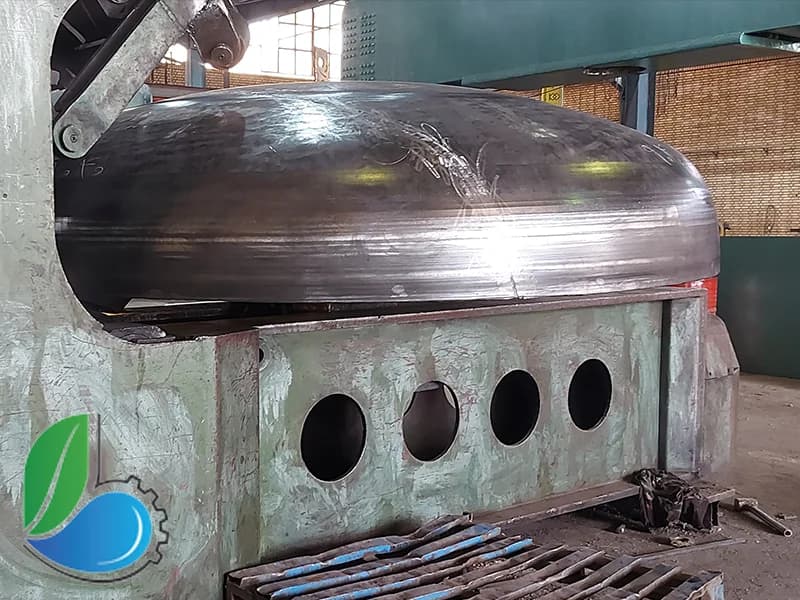
Comparing head types
Choose a form to see its geometry, ratios and use
Klöpper head
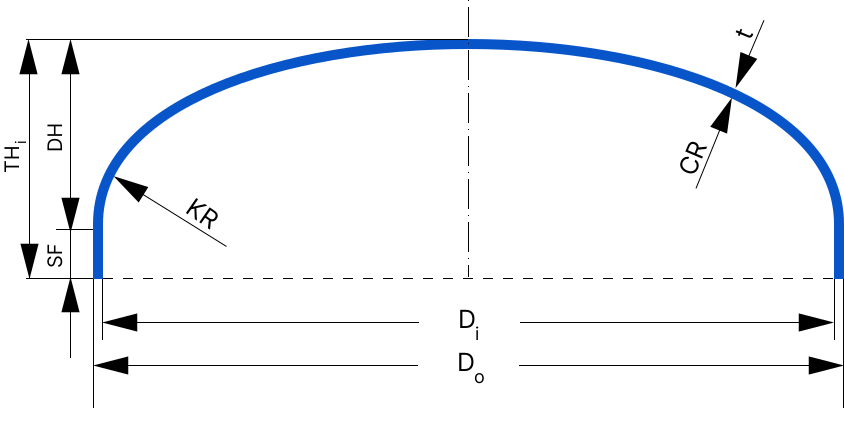
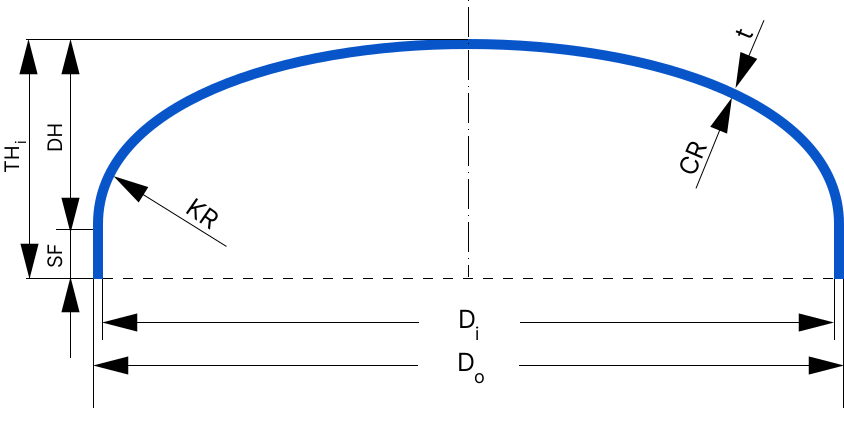
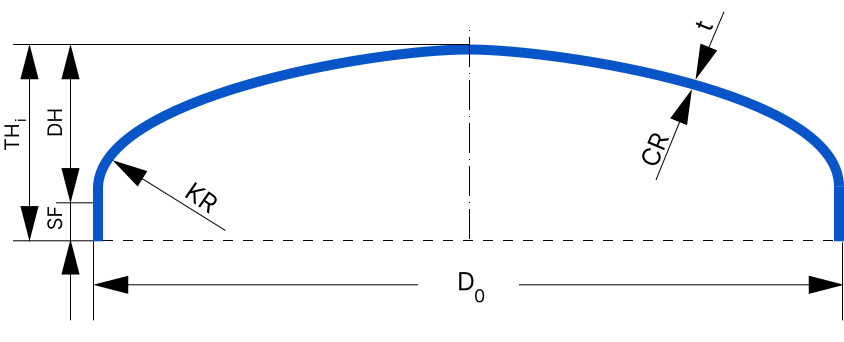
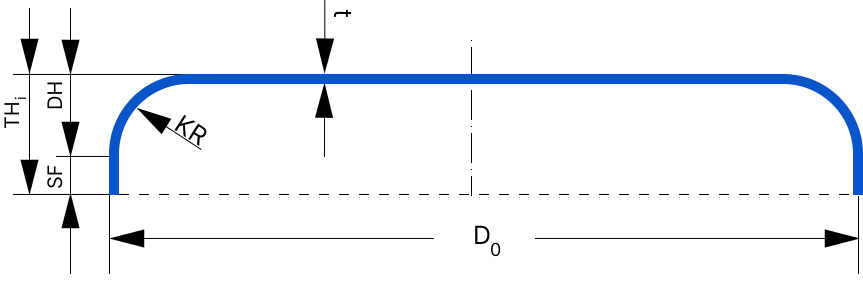
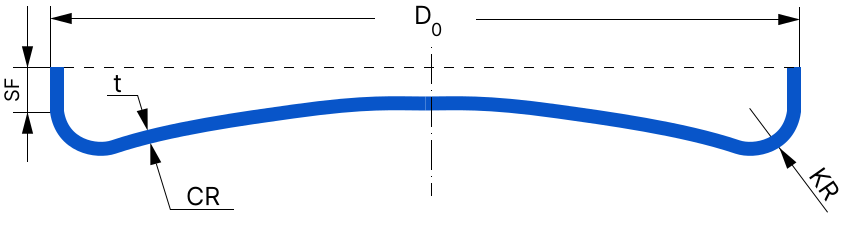
The most widely used form for medium-pressure vessels. A dish with a radius equal to the vessel diameter and a small knuckle; low height, simple pressing and an economical price — the default choice for compressed air and water vessels.
- Crown radius
- R = Do
- Knuckle radius
- r = 0.1 Do
- Dish height
- h ≈ 0.194 Do
- Pressure rating
- Medium — up to 10 bar
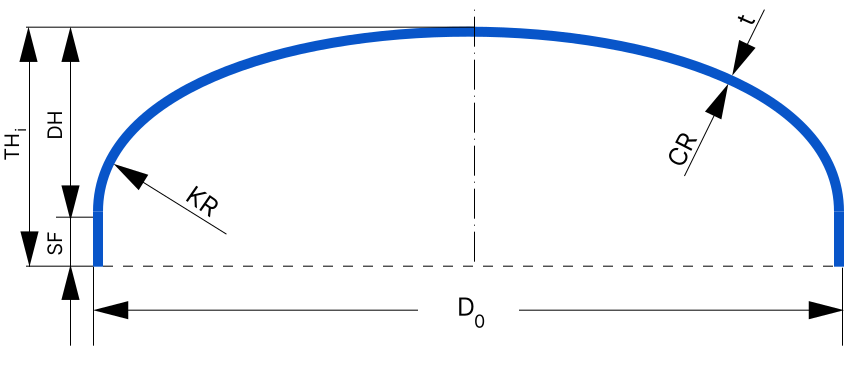
Table of geometry and ratios
The standard ratios of each form based on the vessel's outside diameter
The vessel head production process
From calculating the blank diameter to final edge preparation — the steps of making a vessel head in the workshop
Calculating the blank diameter
Cutting a disc from plate with the diameter and thickness calculated for the head type and vessel diameter
Cutting the plate blank
Precise cutting of steel or stainless plate by plasma, laser or gas according to the technical drawing
Pressing the head
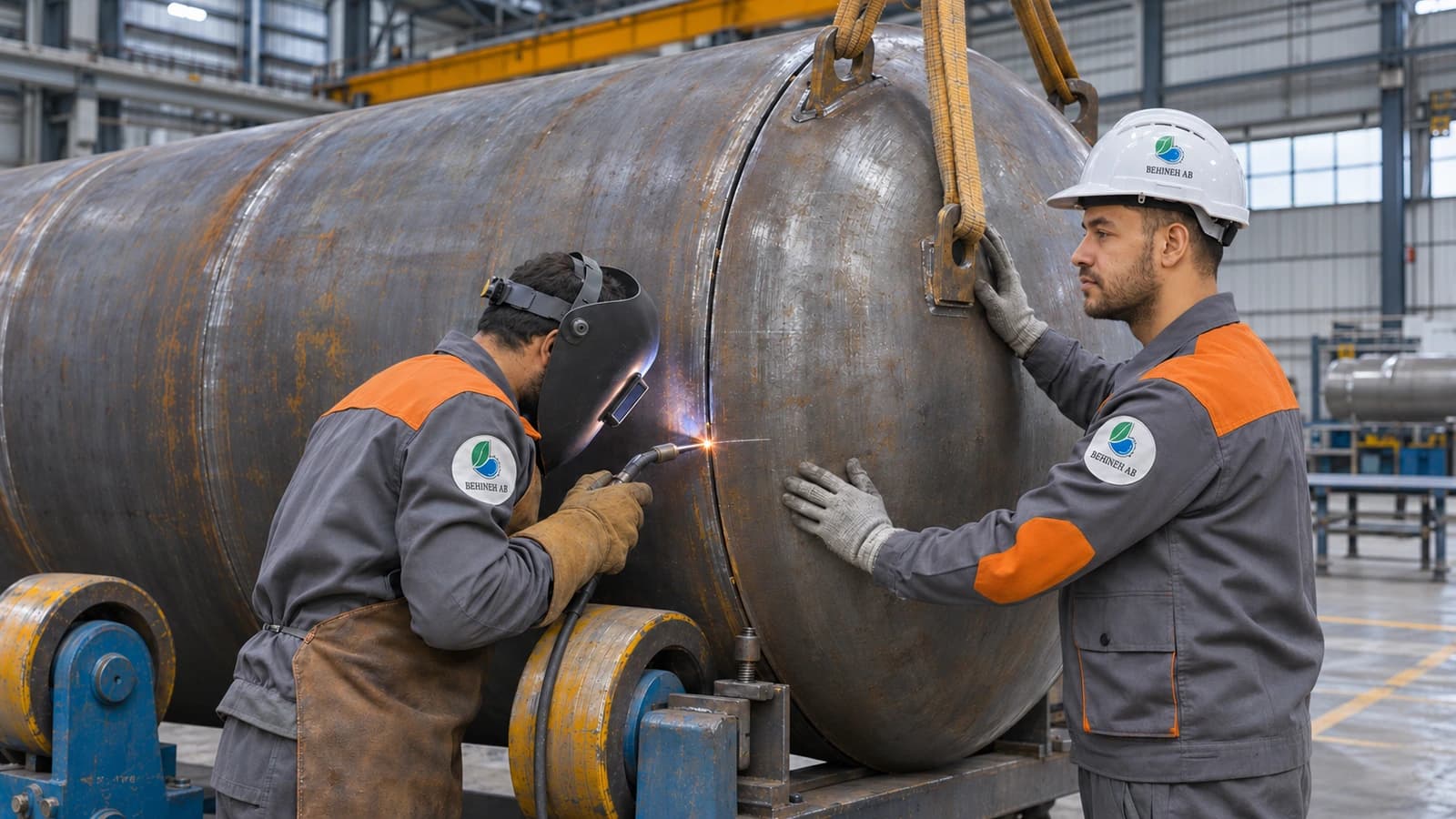
Hot or cold forming of the disc with a die and industrial press until it reaches the final head profile
Edge preparation
Machining the edge, bevelling and preparing the weld area for fitting to the vessel shell
Video coming soonChoosing a head: the balance between pressure, cost and time
For high design pressure or a large diameter, the 2:1 elliptical head usually gives the best balance between plate use and stress distribution, which is why it is the most common choice in ASME vessels. For atmospheric or low-pressure tanks, torispherical or standard dished heads are preferred because forming them costs less. Flat and plate-type heads are only suitable for very low pressure or as removable covers (such as manholes).
To calculate the exact thickness and see the schematic of each head type with your own vessel's real dimensions, you can use Behineh Ab's online calculator.
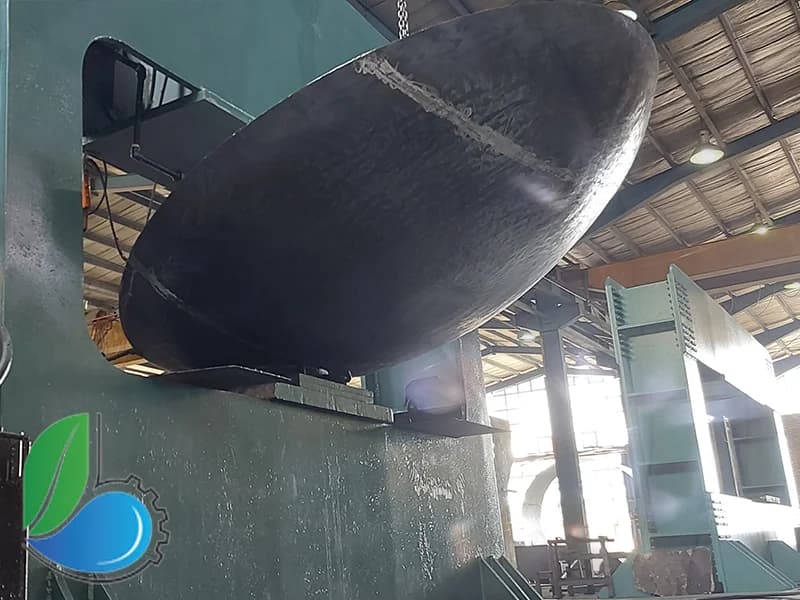
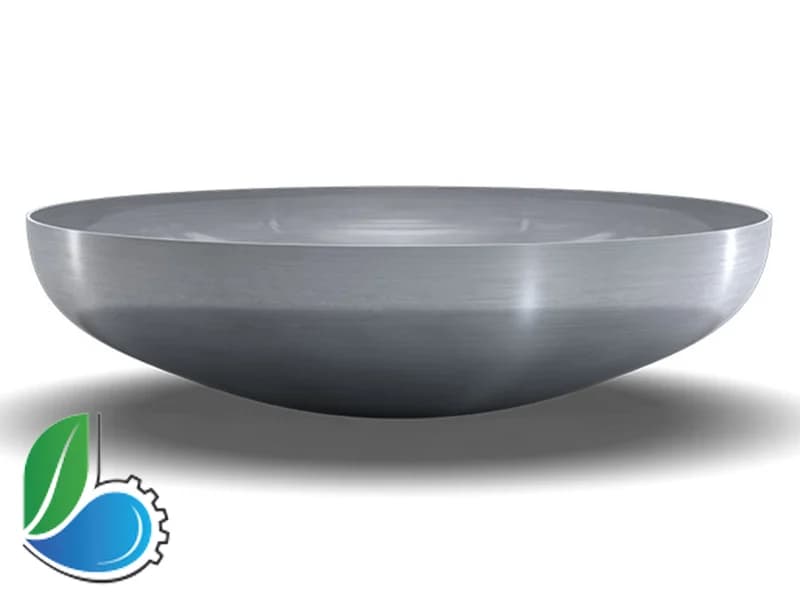
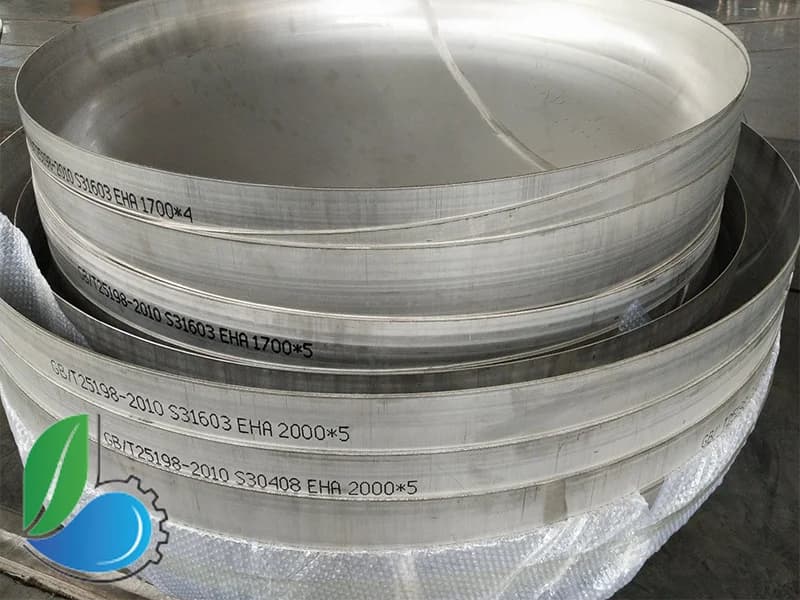
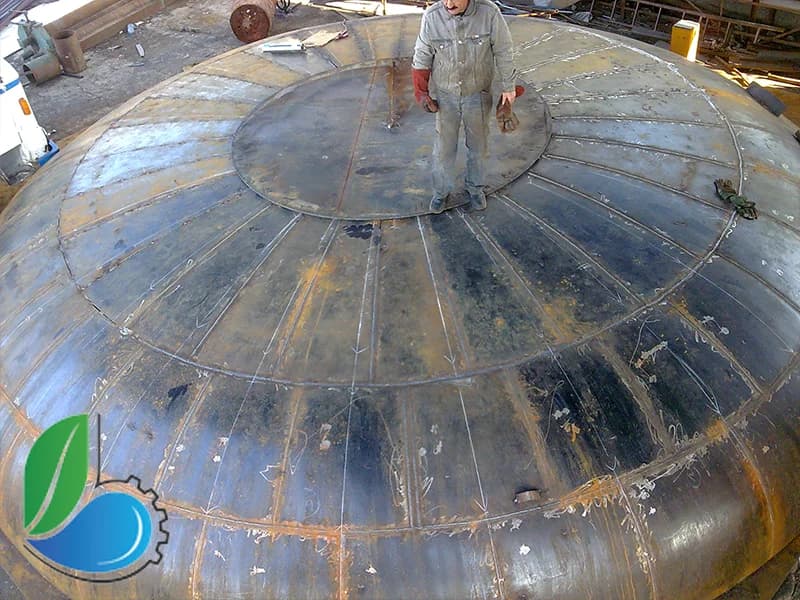
Gallery of heads we have made
Gallery of vessel head types
Applications and industries served


Buying heads from Behineh Ab
Six steps from first contact to delivery
Give the outside diameter, plate thickness, head type and required material.
The calculated weight, unit price and delivery time are sent the same business day.
Plate is supplied with the mill certificate and inspected on arrival before cutting.
Cutting the disc, hot or cold pressing depending on thickness, and checking dimensions with a template.
Machining the cylindrical edge and bevelling it ready for welding to the shell.
Packing, issuing the part identification sheet and shipping nationwide.
What sets us apart
Price inquiry
vessel head
Enter the diameter, thickness and head type; you will receive the calculated weight and unit price.
- Quotation with the exact weight of the part
- Standard heads delivered in 7 business days
- Shipping nationwide
Other head types
- TorisphericalTorispherical head
- Elliptical 2:12:1 elliptical head
- Elliptical 1.9:11.9:1 elliptical head
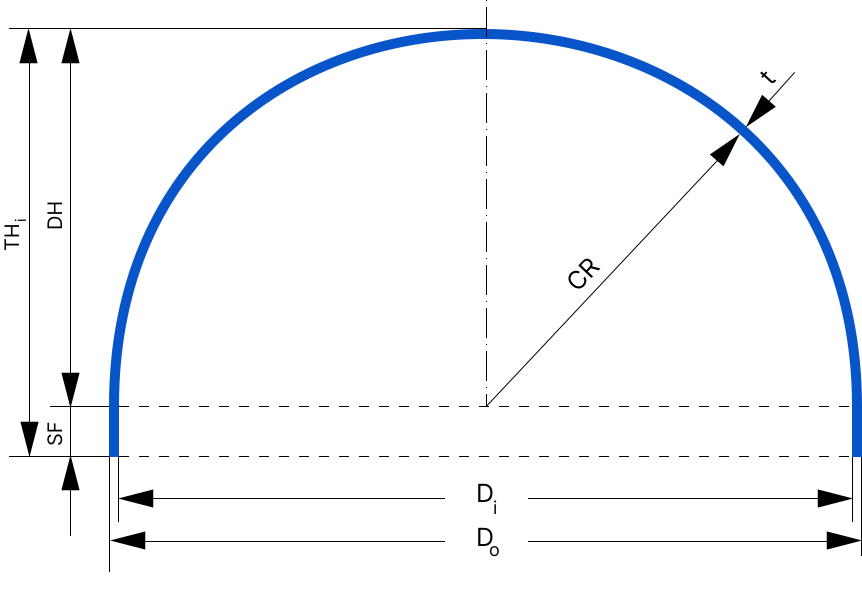
- HemisphericalHemispherical head
- DIN 28013Semi-ellipsoidal head
- FlatFlat head
- Plate-typePlate-type head
- Convex DiscConvex disc head
- Standard DishedStandard dished head
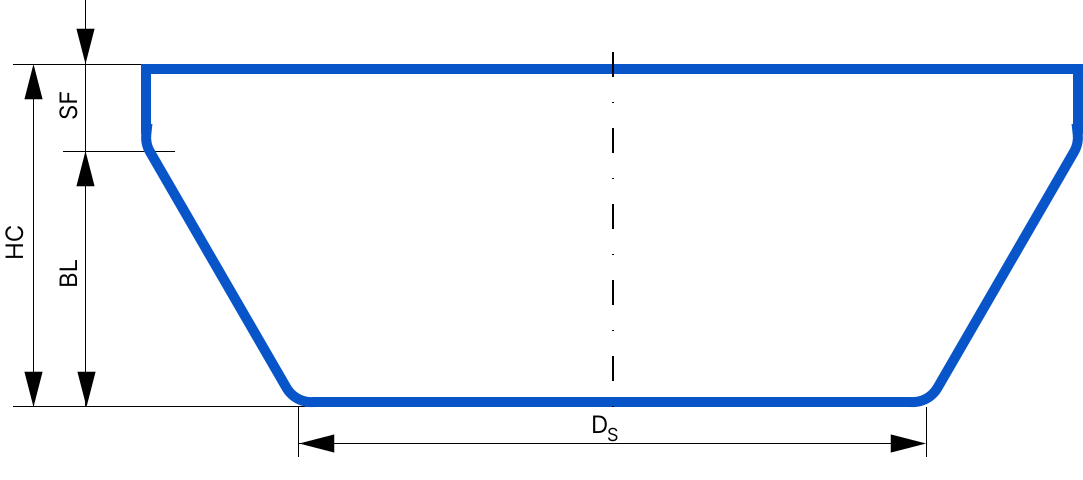
- DiffuserDiffuser head
- ConicalConical head