The radiography percentage sets the joint efficiency, and the joint efficiency sets the plate thickness. In other words, this decision directly affects the tank's weight and price.
Full radiography, spot radiography or no test
Design codes link the weld joint efficiency directly to the radiography percentage. Full radiography gives the highest efficiency and the lowest calculated thickness. Spot radiography has an intermediate efficiency, and with no test the lowest efficiency and the greatest thickness result.
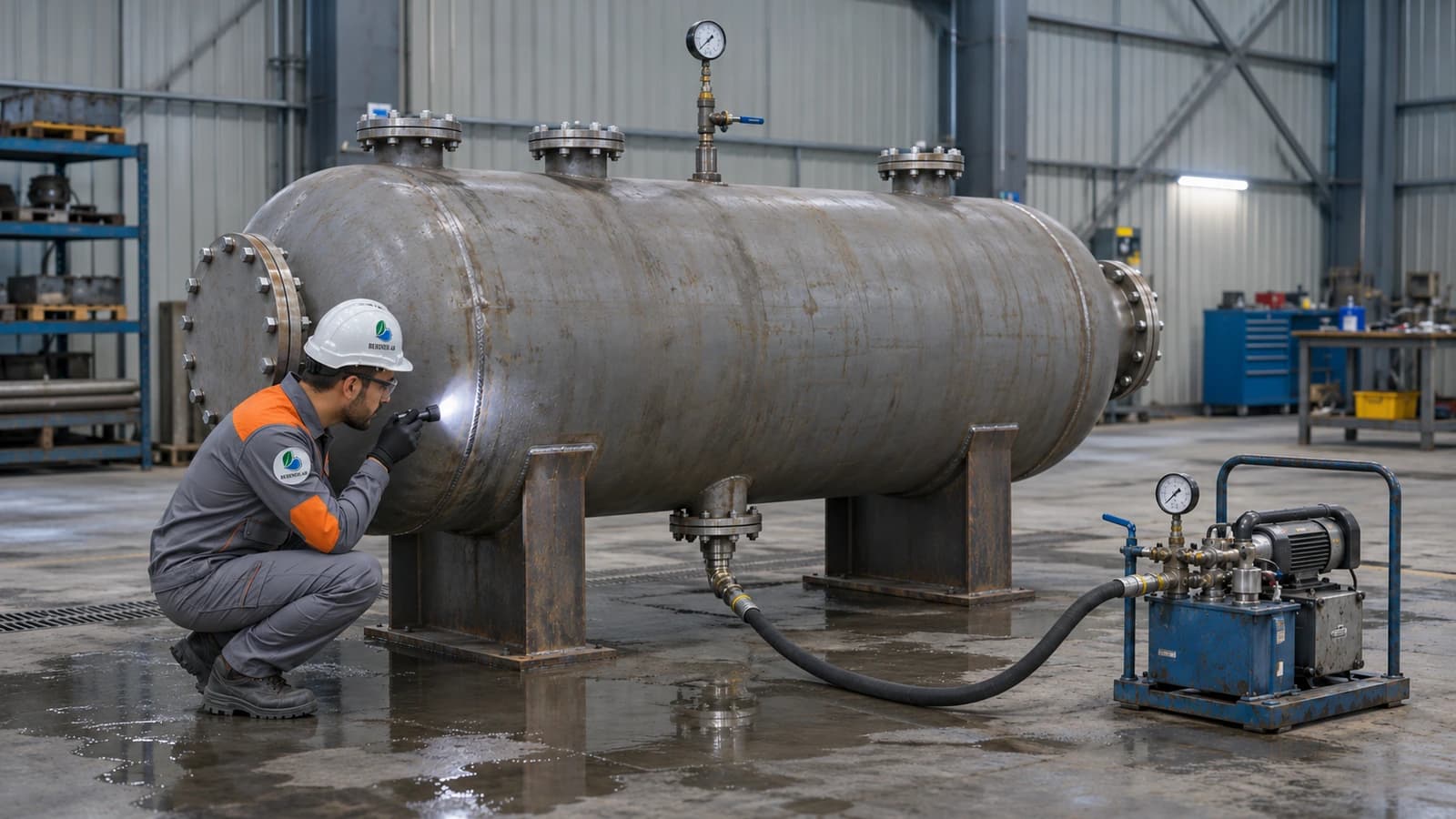
This choice must be coordinated with the inspection plan from the start of the calculation. If a high efficiency is chosen but the radiography plan does not match it, the tank is rejected at third-party inspection and the project falls into repairs and delays.
Weld joint efficiency by test percentage
| Type of radiography | Weld joint efficiency (approx.) | Effect on thickness |
|---|---|---|
| Full (Full RT) | 1.0 | Lowest calculated thickness |
| Spot (Spot RT) | 0.85 | Intermediate thickness |
| No test | 0.7 | Greatest calculated thickness |
Full radiography raises the cost of testing, but it reduces the thickness and brings down the plate weight. Since a tank's price is mainly based on weight, for tanks with a large diameter and high pressure full radiography is often more economical overall.
Who carries out the radiography?
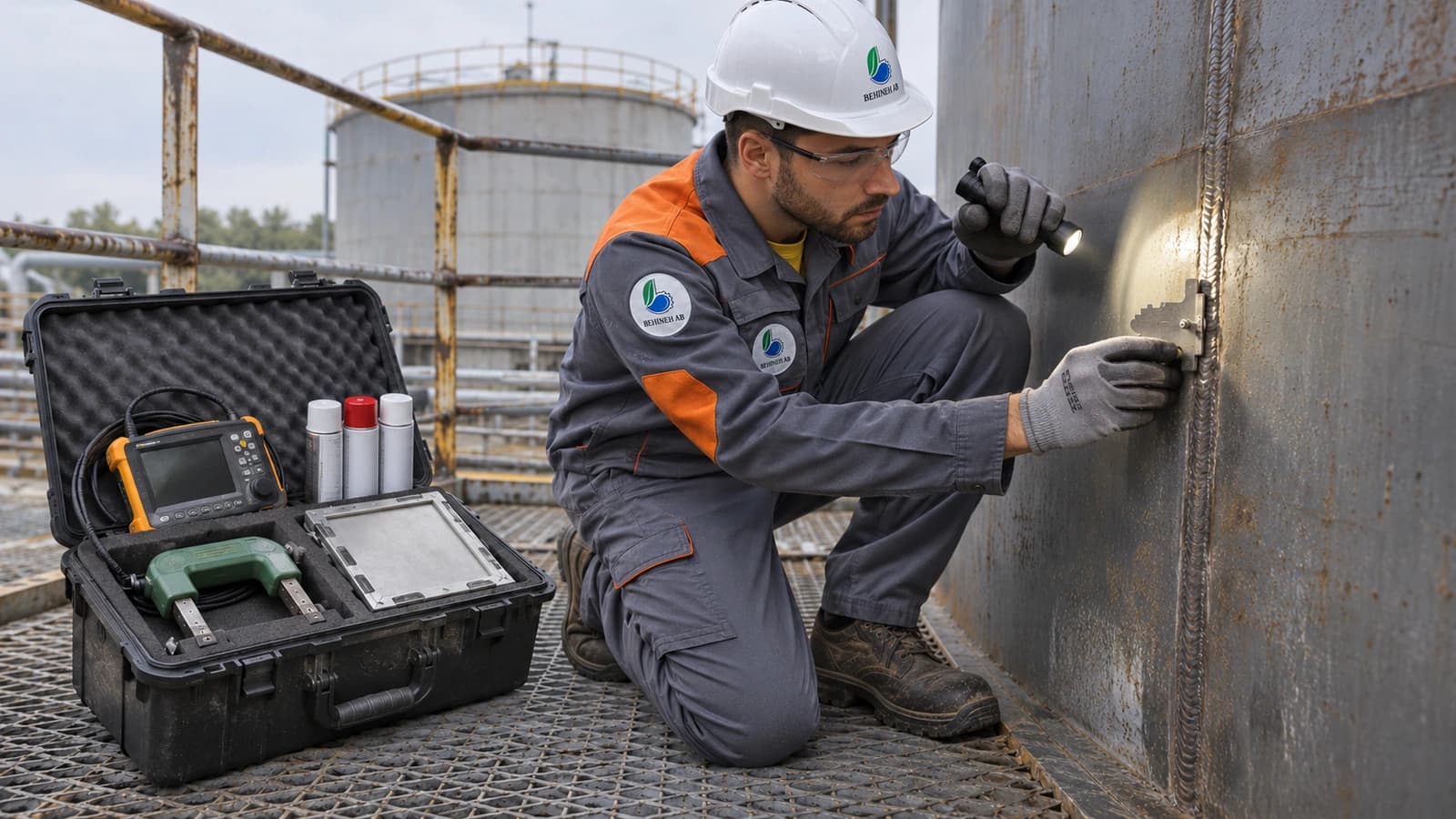
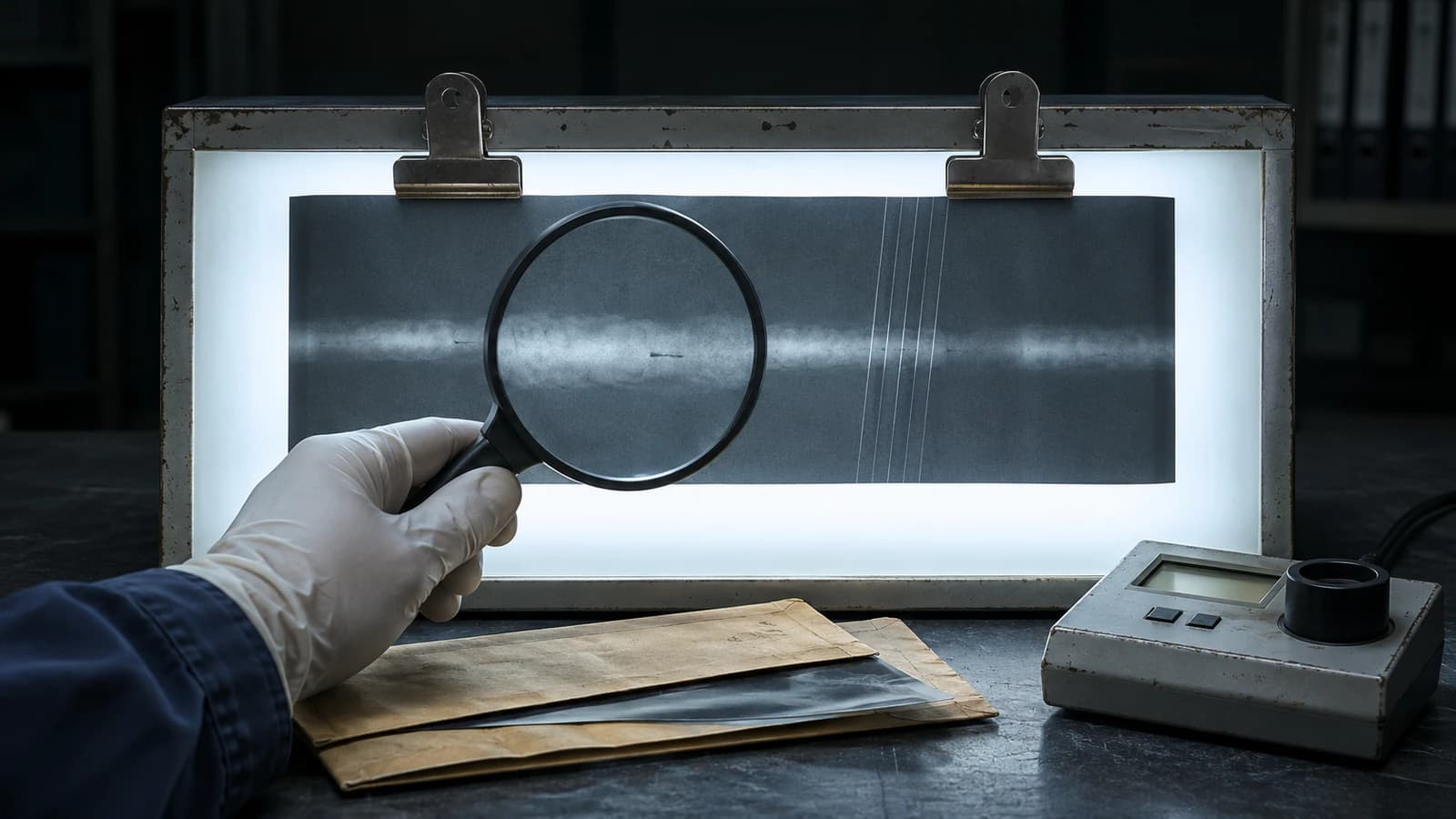
Radiography is done with gamma or X-rays and requires a radiation protection licence, equipment and a qualified operator. At Behineh Ab this test is carried out by a third-party inspection company. It interprets the films and delivers a signed report that becomes part of the tank's documents.
Where radiography is not practical, for example at high thicknesses or when work in the workshop must not stop, ultrasonic testing is a common alternative. In some conditions the ASME code allows this substitution.