How the internal pressure difference changes the design, shell thickness, and inspection method.
The clear line: internal pressure
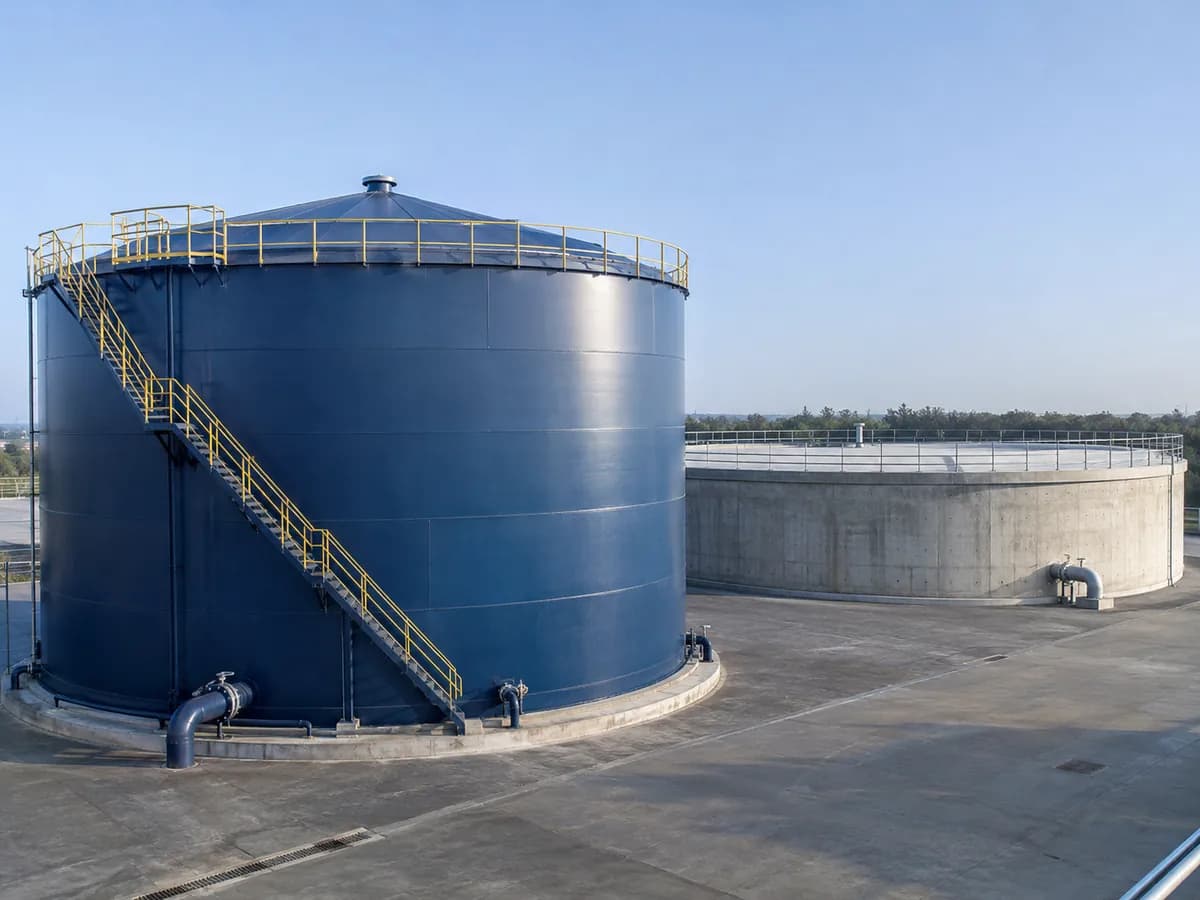
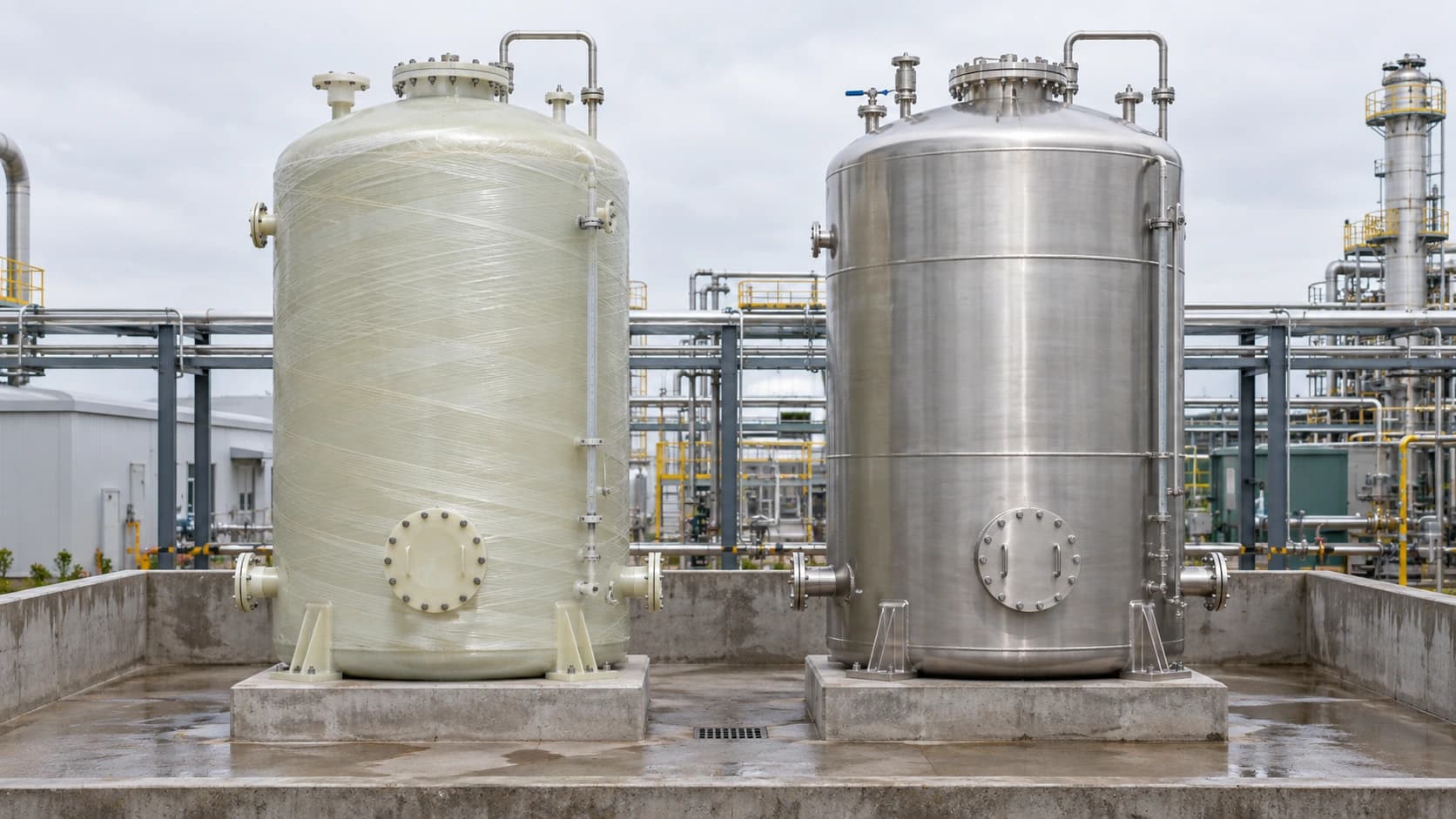
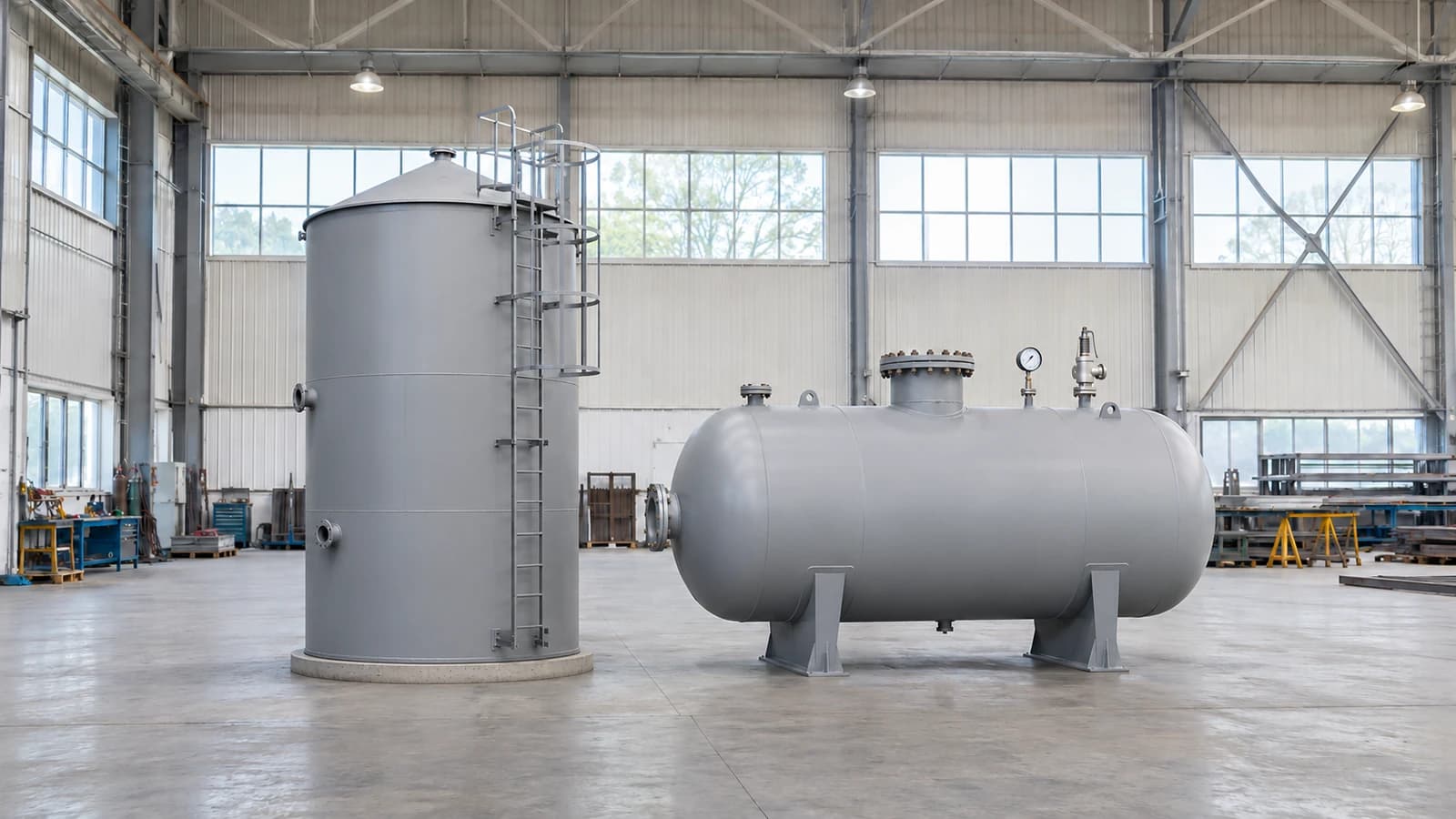
An atmospheric storage tank is designed to hold fluid at ambient pressure, and its shell mainly carries the weight of the fluid column. A pressure vessel is built to hold fluid above ambient pressure, and must be calculated and inspected under a design code such as ASME Sec. VIII.
That single difference separates the two completely — welds, shell thickness, and inspection method. A pressure vessel usually needs a hydrostatic test and weld radiography that a simple storage tank never requires.
Exactly where the line is crossed
API 650 itself, in Appendix F, allows a fixed roof tank to carry a limited internal pressure (typically a few inches of water column, up to roughly 2.5 psi) without needing a pressure-vessel code at all. Past that threshold, design has to move to API 620 or ASME Sec. VIII.
| Feature | Atmospheric storage tank | Pressure vessel |
|---|---|---|
| Common design code | API 650 | ASME Sec. VIII / API 620 |
| Design pressure | Near atmospheric | Well above atmospheric |
| Required test | Simple fill/leak test | Hydrostatic test + weld radiography |
| Shell weld joint | Usually plain butt weld | Butt weld with full-penetration control |
Summary
Before picking a design code, compare the vessel's real internal pressure with atmospheric pressure. That one number decides where the calculation, welding, and inspection path starts.