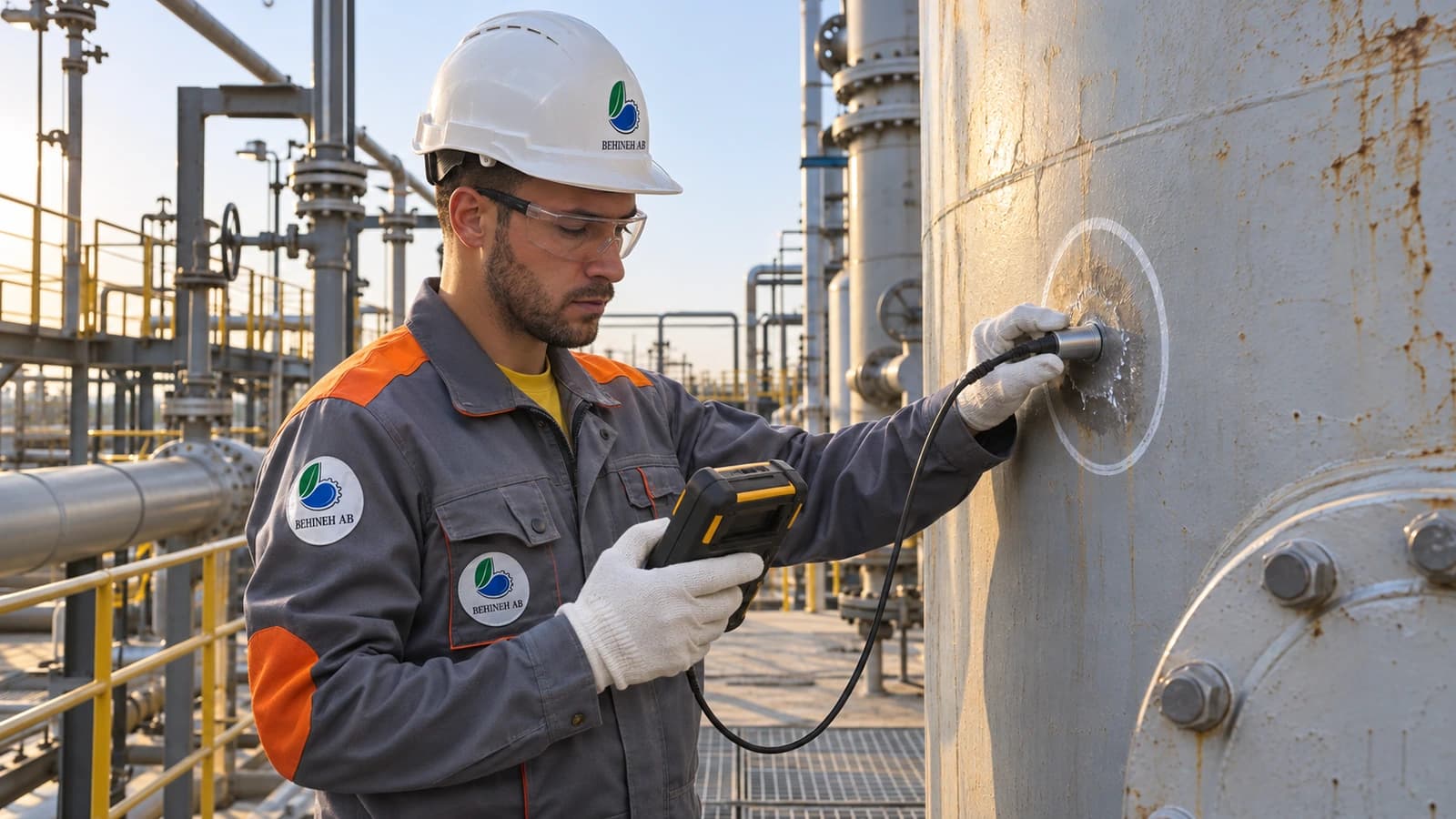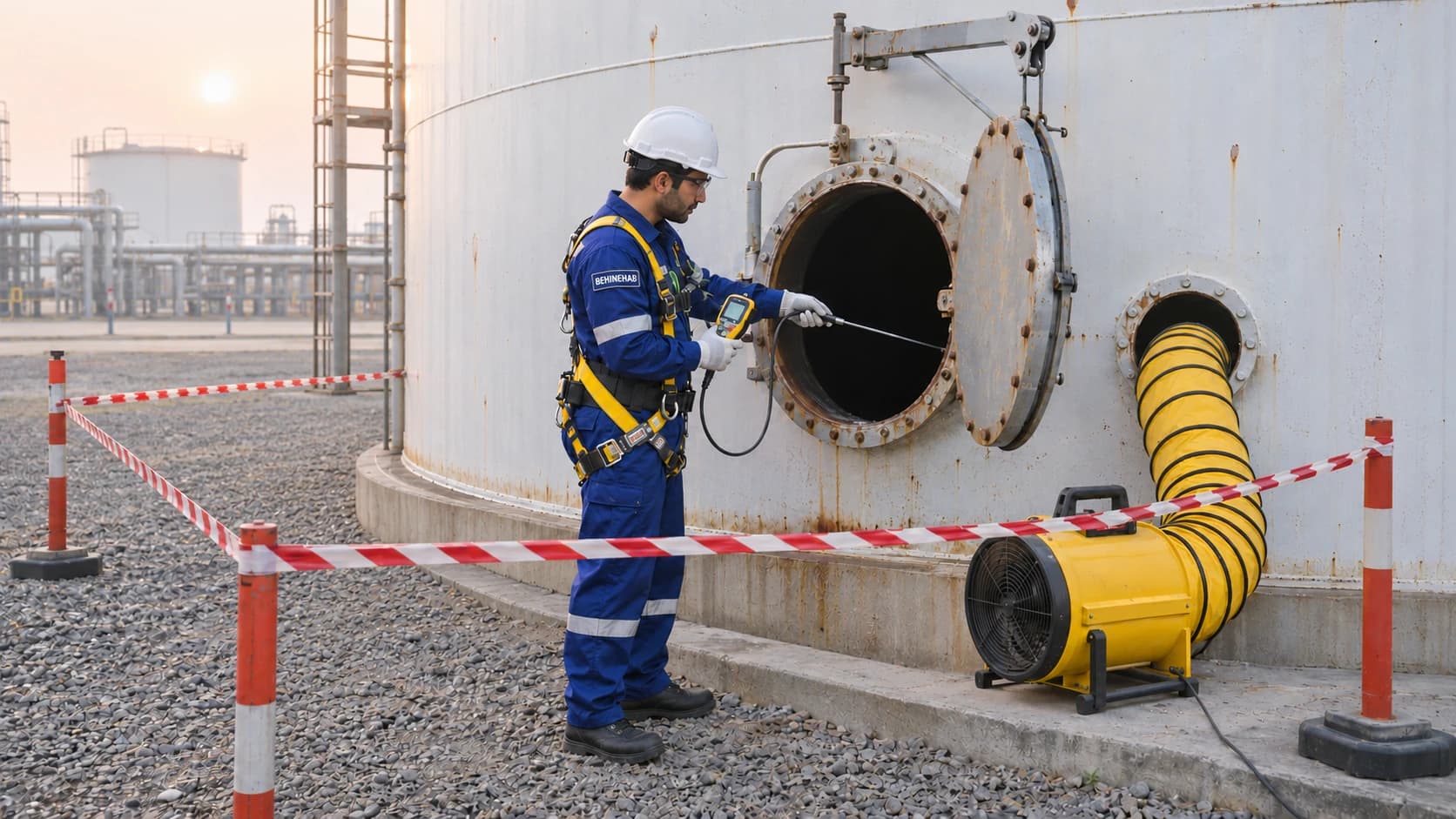
Pros and limits of common level technologies on industrial tanks.
Choose by fluid and required accuracy
Gauge glasses are simple and cheap but poor for opaque or toxic fluids. Differential-pressure and non-contact radar transmitters give higher accuracy with less maintenance and are standard on large tanks.
Comparing level-measurement methods
| Method | Accuracy | Best fit |
|---|---|---|
| Gauge glass / mechanical | Low to moderate | Simple local reading, clean fluid |
| Differential-pressure transmitter | Moderate to good | Closed tanks, fairly constant density fluid |
| Non-contact radar | High | Corrosive, foaming, or toxic-vapor fluids |
| Guided-wave radar | High | Two-phase interfaces, cluttered internals |
Safety note
The primary level instrument for process control and the high-level alarm for safety should be independent — relying on one device for both means a single failure kills the overfill warning too.